
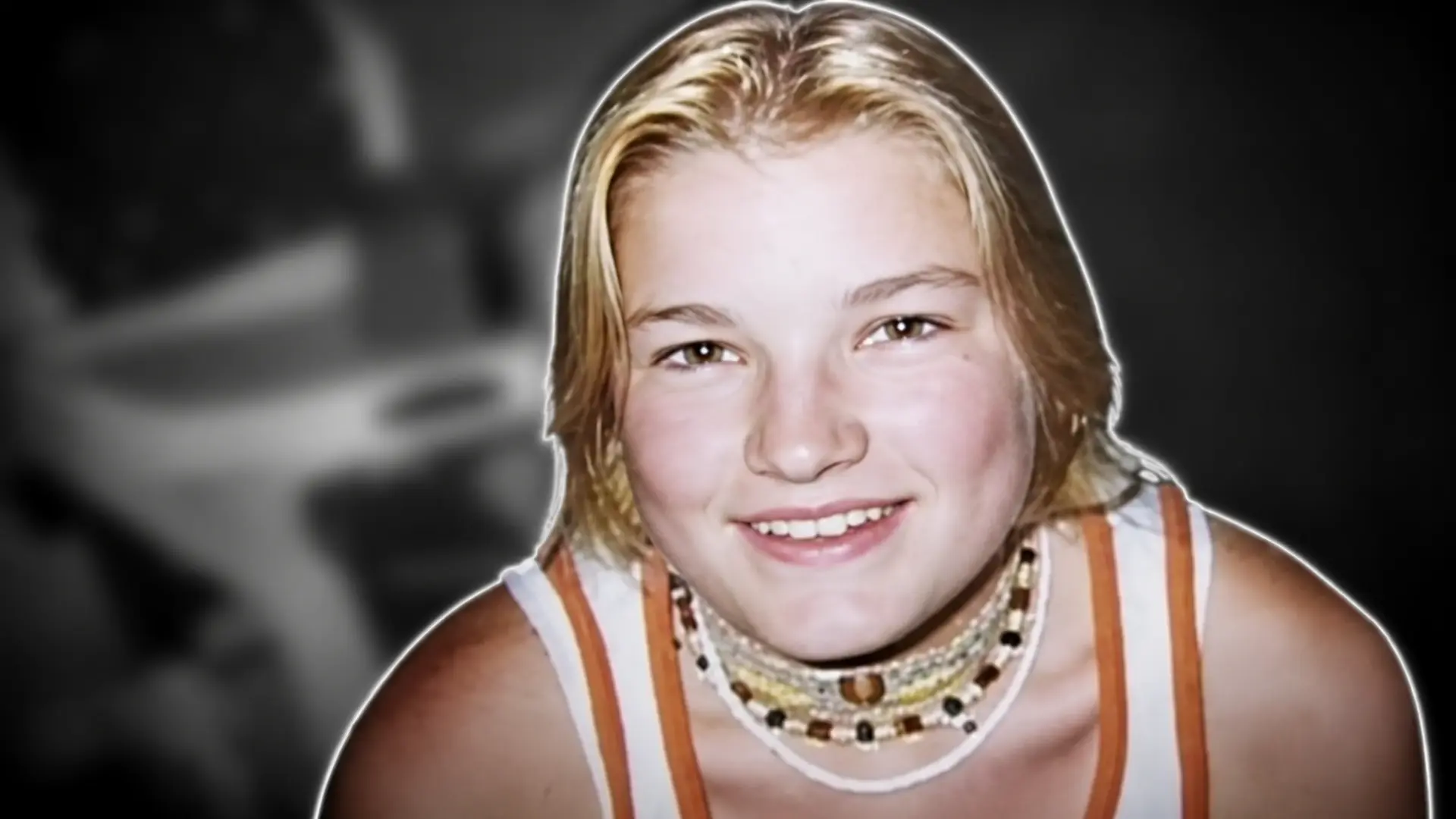
The Molly Bish case is an unsolved Massachusetts murder investigation involving 16-year-old Molly Bish, who vanished from Comins Pond in Warren, Massachusetts, on June 27, 2000.
Molly disappeared shortly after arriving for work as a lifeguard. Her remains were identified in 2003, and the case remains open.
What followed became one of the largest missing person searches in Massachusetts history. Years later, the discovery of Molly’s remains confirmed the family’s worst fear.
Still, one question remains unanswered: who killed Molly Bish?
Who Was Molly Bish?
Molly Anne Bish was a 16-year-old from Warren, Massachusetts.
- She was born on August 2, 1983, and
- Worked as a lifeguard at Comins Pond during the summer of 2000.
Her story matters because she disappeared during a normal workday at a public swimming area, which made the case even more alarming.
Her mother, Magi Bish, regularly drove her to work, making investigators consider whether someone knew Molly’s routine and waited for a chance to approach her.
The Molly Bish case shows why routines matter. Police often look at who knew the victim’s habits, who had access to the location, and who could leave without drawing attention.
The Day Molly Bish Disappeared
The Molly Bish case began on June 27, 2000. Magi Bish dropped Molly off at Comins Pond for her lifeguard shift.
The day before, Magi had noticed a mustached man in a white car near the lifeguard area. After Molly vanished, that sighting became one of the most discussed details in the case.
Molly was reportedly missing for about 13 to 15 minutes after arriving. Her belongings were still at the lifeguard station.
At first, responders considered the possibility that she had drowned. That made sense because the scene was a pond, but it also affected how the area was handled.
| Date | Event |
|---|---|
| June 26, 2000 | Magi Bish noticed a mustached man in a white car |
| June 27, 2000 | Molly was dropped off at Comins Pond |
| June 27, 2000 | Molly was reported missing within minutes |
| Fall 2002 | A hunter noticed blue fabric in Palmer |
| May 2003 | Searchers found fabric and bones on Whiskey Hill |
| June 9, 2003 | DNA confirmed the remains were Molly’s |
| June 2021 | Frank Sumner was named a person of interest |
The Search for Molly Bish
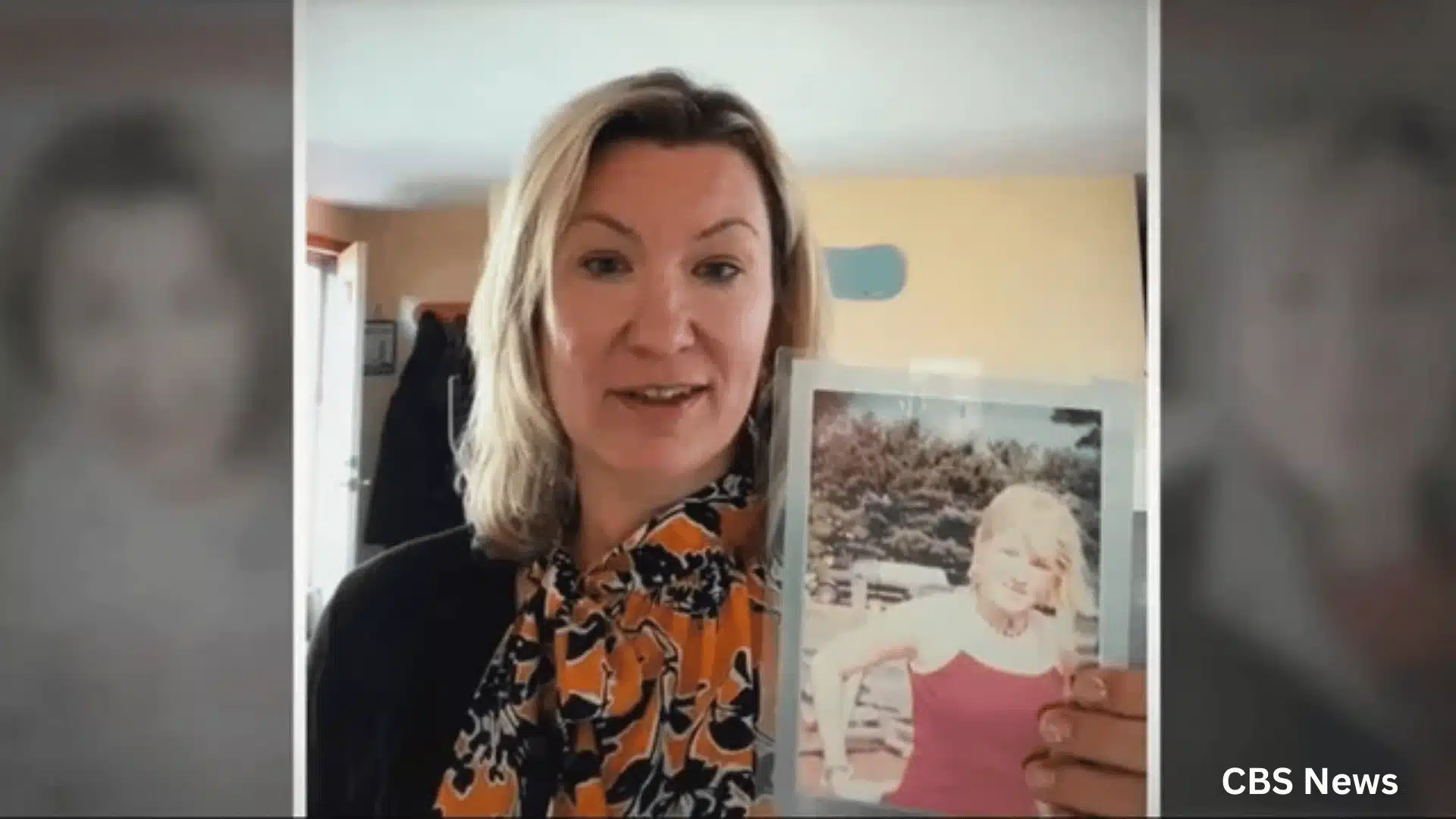
Molly’s disappearance led to a massive search involving volunteers, police, and community members around Comins Pond and nearby areas.
The response showed how urgently people wanted to find her. But it also created problems for the investigation.
The area was not immediately declared a crime scene. Hundreds of people moved through the location before police had full control.
It may have affected fragile evidence such as footprints, fibers, hair, tire marks, or DNA traces. Once evidence is moved, damaged, or contaminated, it can become harder to use in court.
The Molly Bish case still raises questions about the early handling of the crime scene. The first hours of an investigation can affect what prosecutors can prove years later.
Evidence that might support probable cause in criminal law must be collected carefully. If evidence is contaminated or its origin cannot be explained, it may become harder to use in court.
Discovery of Molly’s Remains
In fall 2002, a hunter noticed a piece of blue fabric in a wooded area on Whiskey Hill in Palmer, Massachusetts. He later reported it to the police.
In May 2003, investigators organized a large shoulder-to-shoulder search of that area. Searchers found fabric and 26 bones. On June 9, 2003, DNA confirmed the remains belonged to Molly Bish.
That discovery ended the missing-person phase of the case, but it did not provide the answer the family needed.
Investigators now had to determine who took Molly, how she was moved from Comins Pond, and why her remains were found in Palmer.
Certain questions remain central to the case. Was the killer familiar with the area? Was Molly targeted, or was this an opportunistic crime?
Persons of Interest and Suspects over the Years
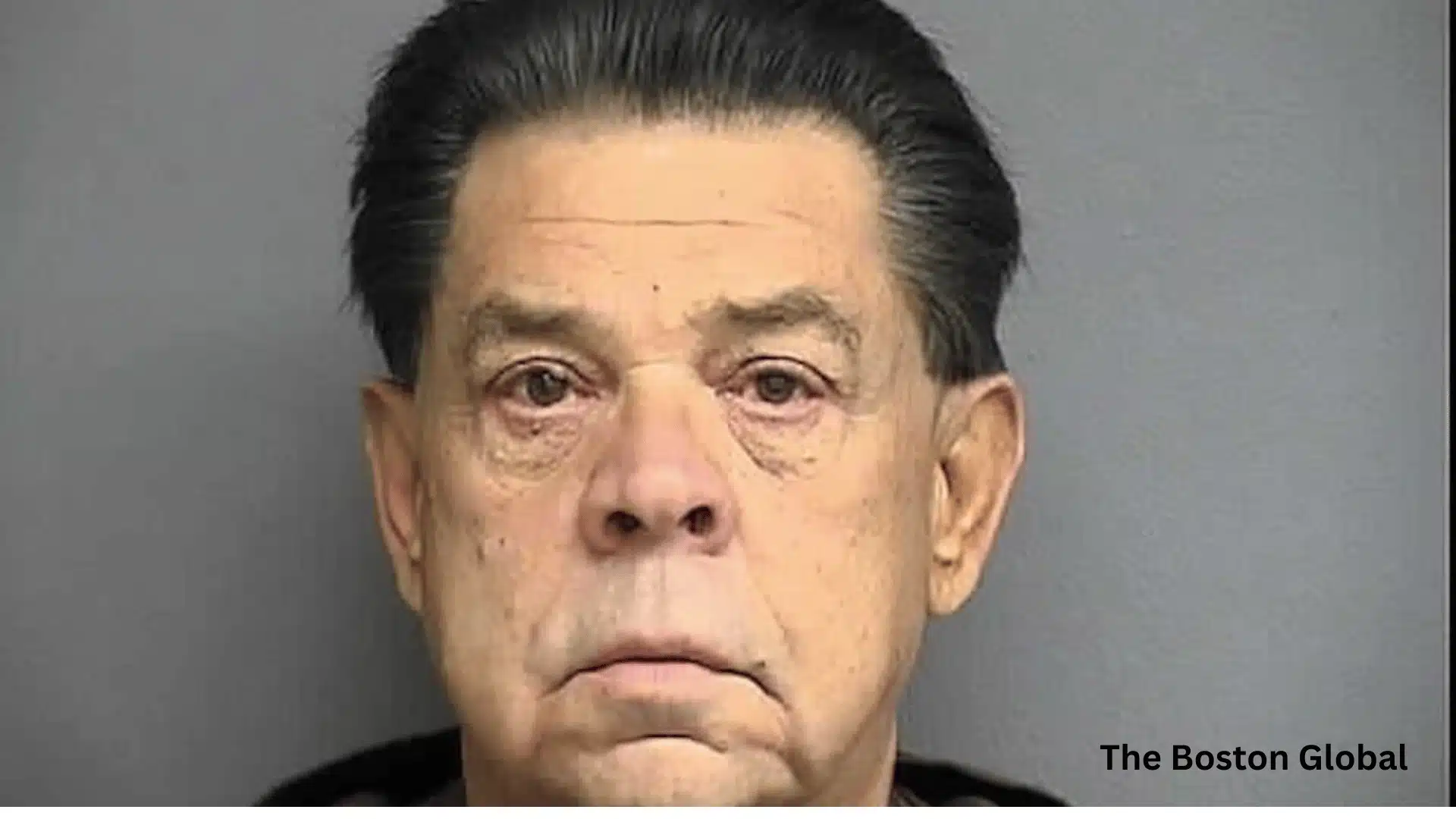
Several men have been investigated or publicly discussed in connection with the Molly Bish case. However, no one has ever been charged.
- Rodney Stanger: Became a focus in 2009 because he fished at Comins Pond and was linked to a similar white car. He was later convicted of murdering his girlfriend in Florida.
- Gerald Battistoni: Was publicly discussed due to his violent sexual crime history and links to wooded areas near where Molly’s remains were found. He died in prison in 2014.
- Francis “Frank” P. Sumner Sr.: Was named a person of interest in June 2021 due to rape and kidnapping convictions and ties to local auto body shops. He died in 2016 before public linkage.
A person of interest is not a charged suspect. Police may investigate someone’s background, movements, or possible link to a crime without enough evidence to file charges.
Understanding the difference between detention and arrest helps explain why public suspicion does not automatically lead to a criminal case.
The Role of DNA Evidence in the Molly Bish Case
DNA testing has kept the Molly Bish case active, but so far, it has ruled out only one possible path rather than publicly solving the case.
Investigators preserved physical evidence that may still be useful as forensic testing improves. In cold cases, newer methods can sometimes find material that older testing missed.
After Frank Sumner was named a person of interest, investigators tested DNA from his son, but Molly’s sister later clarified that it was not a match.
DNA can connect someone to an object, place, or victim, but it does not always prove guilt on its own. Prosecutors still must explain how and when the DNA got there.
The challenge is harder because Sumner is deceased. He cannot be questioned, tried, or cross-examined, so any DNA evidence would still need to support a larger case that can stand in court.
Why the Molly Bish Case Has Not Gone to Trial
The key legal question is whether prosecutors have enough evidence to charge someone and prove the case beyond a reasonable doubt.
1. The Crime Scene Was Not Secured Immediately
One major issue was the early handling of the scene at Comins Pond. When Molly disappeared, volunteers and police quickly searched the area.
At first, many believed she may have drowned. Before investigators secured the area, hundreds of people moved through it, potentially altering footprints, fibers, tire marks, or DNA.
2. Molly’s Remains Were Found Years Later
Molly disappeared in 2000, but her remains were identified in 2003. Weather and environmental exposure may have affected forensic and other physical evidence.
Long delays also make it harder for investigators to recreate timelines and determine exactly what happened.
3. Some Suspects are Deceased
Several connected men have died over the years. Gerald Battistoni died in prison in 2014. Frank Sumner, who was publicly named as a person of interest in 2021, died in 2016.
A deceased person cannot be questioned, arrested, or tried in court. That creates major legal challenges for prosecutors.
4. DNA Evidence Has Limits
DNA testing remains important, but it has not solved the case. Later reports stated that DNA linked to Frank Sumner’s family did not match.
Investigators still have to prove how and when DNA was connected to the crime. They also have to rule out contamination or innocent transfer.
5. Witness Memories Fade over Time
Cold cases become harder as time passes. A cold case can have strong theories and still fail to lead to prosecution.
Witnesses may forget details, confuse timelines, or struggle to remember exact events years later. It can make it more difficult for investigators and prosecutors to build a strong case.
Where the Molly Bish Case Stands Today
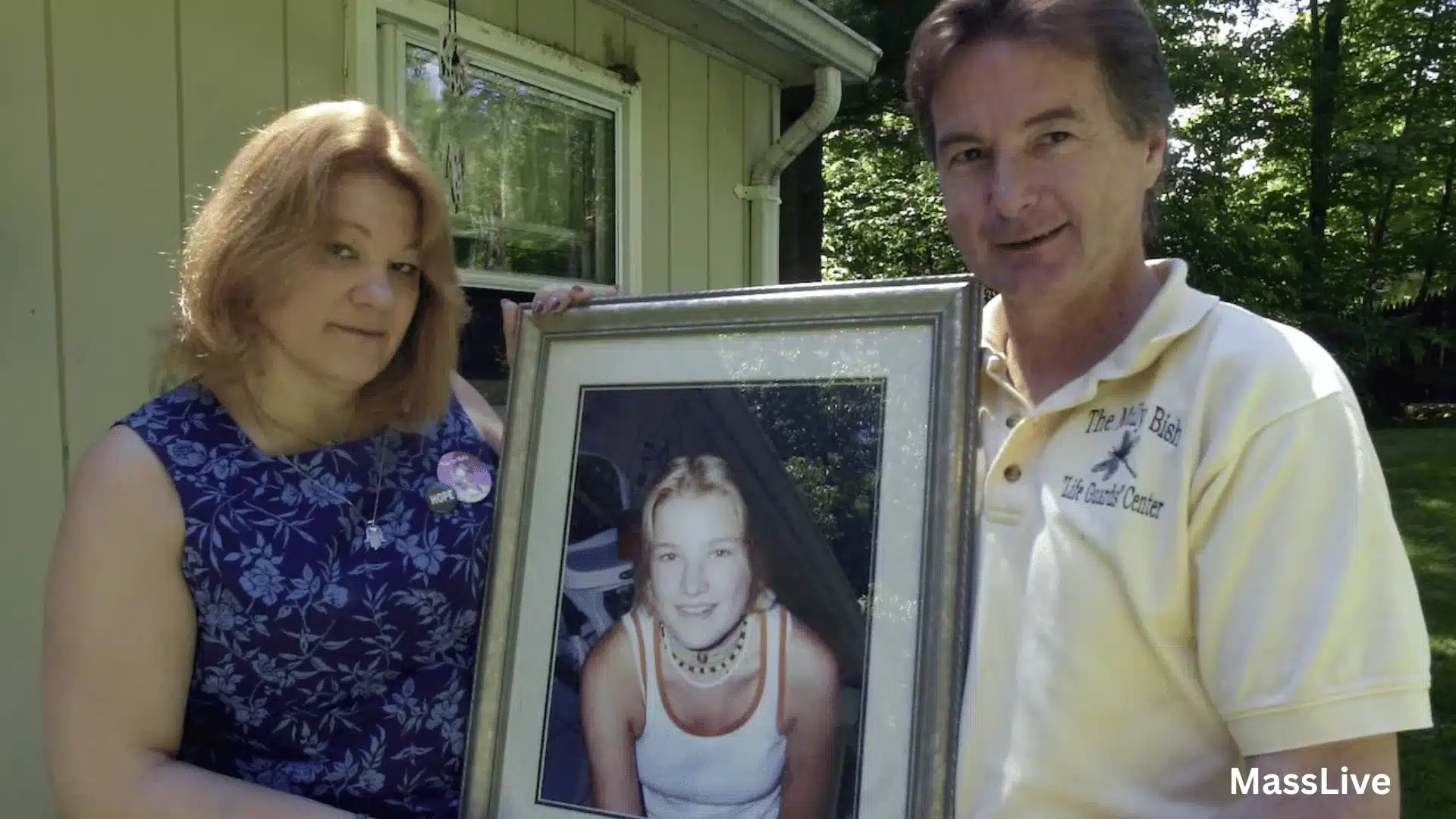
The Molly Bish case remains unsolved more than two decades after her disappearance.
Investigators continue to review evidence, follow tips, and reexamine forensic material as technology improves.
Recent developments came in June 2021, when Worcester County District Attorney Joseph Early Jr. named Francis “Frank” P. Sumner Sr. as a person of interest due to his criminal history.
However, Sumner died in 2016, years before he was publicly identified in the investigation. Because of that, prosecutors cannot bring criminal charges against him.
In late 2021, investigators collected DNA from one of Sumner’s sons as part of the investigation. In 2022, Heather Bish later confirmed that the DNA was not considered a match.
Investigators continue reexamining physical evidence with newer forensic methods, including clothing and other preserved materials connected to the case.
As of 2026, the case remains active. No arrests have been made, no charges have been filed, and investigators continue asking the public for information.
What the Public Thinks About the Molly Bish Case
More than two decades later, the Molly Bish case still brings strong public reaction, especially frustration, sympathy, and a demand for answers.
Public interest in Molly Bish’s case has been shaped by true-crime shows such as America’s Most Wanted, Unsolved Mysteries, Disappeared, Haunting Evidence, and 48 Hours.
In December 2025, CBS’s 48 Hours aired “Help Find Molly Bish’s Killer,” covering renewed efforts, Heather Bish’s TikTok outreach, and the search for new leads 25 years later.
Sumner’s 2021 naming brought hope, but the failed DNA match renewed disappointment. Some still believe newer DNA testing or fresh evidence could move the case forward.
Many people respect the Bish family for continuing to push for answers and for turning their grief into child-safety work. Their advocacy has helped keep Molly’s case in the public’s attention.
People’s feelings are clear: Molly Bish deserved better, and her family still deserves answers.
What This Case Reveals About Cold Case Investigations
The Molly Bish case remains one of the clearest examples of how difficult cold case investigations can become over time.
- Long-term impact: The Molly Bish case shows how quickly a missing-person case can turn into a criminal investigation with lasting legal consequences.
- Early investigation: The first hours of a case matter because scene control and evidence preservation can affect what investigators can prove years later.
- Cold case progress: Investigations often advance through small developments such as new DNA testing, witness statements, or fresh reviews of old evidence.
- Legal standards: Every lead and piece of evidence must meet legal standards before prosecutors can file charges.
- Ongoing challenge: Families need answers, investigators need evidence, and prosecutors need proof that can stand in court.
Conclusion
The Molly Bish case remains one of Massachusetts’s most closely followed unsolved murders.
More than two decades after Molly vanished from Comins Pond, her family is still waiting for one answer: who killed her?
The case also shows how much the first hours of an investigation matter. Timing, evidence, procedure, and proof can shape a case for years.
A missed detail can weaken a case. A preserved item can become important when forensic testing improves. Until charges are filed, Molly’s case remains open, painful, and unfinished.
What do you think could still help move the Molly Bish case forward? Share your thoughts in the comments.
Frequently Asked Questions
Why Do Cold Cases Sometimes Get New Attention Years Later?
Cold cases can get new attention when forensic testing improves, new witnesses come forward, or investigators recheck old evidence.
Why Did Molly Bish’s Case Receive so Much Public Attention?
The case received major attention because Molly disappeared in daylight from a public place shortly after arriving for work, making the case especially alarming for families in Massachusetts.
Could Someone Still Be Charged in the Molly Bish Case?
Yes, someone could still be charged if investigators find enough evidence against a living suspect. Even decades later, a case can move forward if prosecutors have proof that can stand in court.