
ABOUT THE AUTHOR




Most people who get hurt in an accident have no idea what comes next. The legal process is unfamiliar territory, and that uncertainty can lead to real problems: missed deadlines, lost evidence, and lowball settlement offers accepted out of sheer confusion. After working on personal injury cases for years, I’ve seen how much a clear understanding of the process changes outcomes. When you know what to expect, you can make better decisions at every stage. This guide walks through each phase of a personal injury case in Nevada, from the moment after an accident through trial, verdict, and collection. What is a Personal Injury Case? A personal injury case is a civil legal action where an injured person (the plaintiff) seeks financial compensation from the party responsible for the injury (the defendant). The legal foundation is negligence. Negligence occurs when someone owed you a duty of care, breached that duty, and their breach directly caused your injuries and financial losses. Every driver in Nevada owes other road users a duty to operate their vehicle safely. If a driver runs a red light and hits you, they have breached that duty. If you suffered injuries as a result, the basic elements of a negligence claim are present.</> Personal injury cases in Nevada cover a wide range: car accidents on I-15 or the Las Vegas Strip, slip-and-fall injuries on commercial property in Henderson, medical errors at Nevada hospitals, defective products, and wrongful death claims. The process is similar across these case types, even if the evidence and legal standards differ. What Happens After a Car Accident Injury in Nevada? A clear process follows every accident. Each step affects the strength and value of a claim, and understanding this timeline helps you avoid costly mistakes early. Step 1: Get medical attention first Seek […]
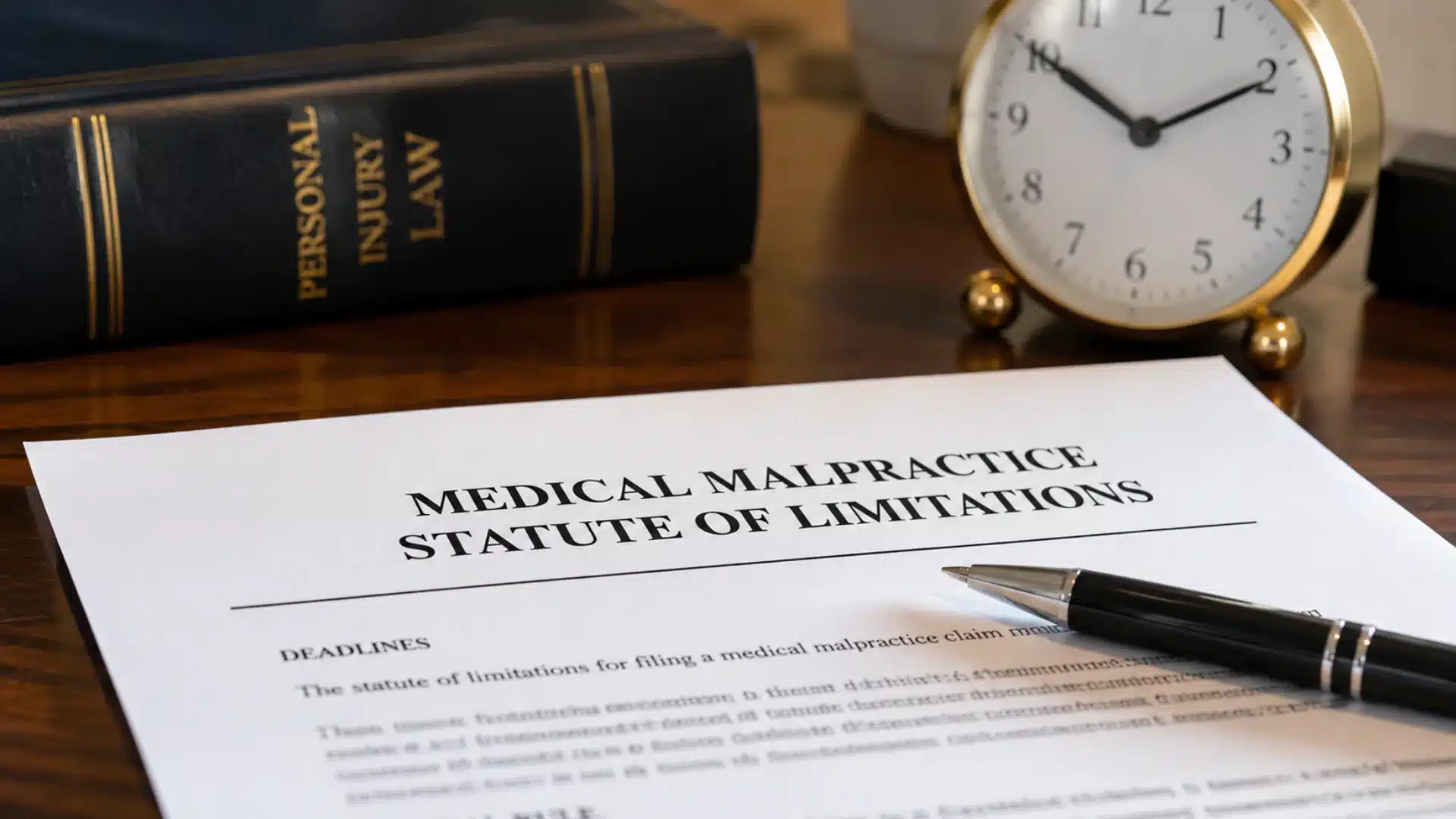
The statute of limitations for medical malpractice is the legal deadline by which a patient must file a lawsuit after being harmed by negligent medical care. Most states set this window at two to three years, though the exact deadline depends on where the injury occurred, when it was discovered, and whether any exceptions apply. Missing this deadline generally ends the case entirely, no matter how strong the evidence is. If you or someone you love was hurt by negligent medical care, understanding your timeline is the first thing you need to do, not the last. This guide covers how medical malpractice deadlines work nationally, what Colorado law specifically requires, and which exceptions can shift your clock. What Counts as Medical Malpractice? Medical malpractice occurs when a licensed healthcare provider fails to meet the accepted standard of care, and that failure causes measurable harm to the patient. The standard of care is not perfection; it is what a reasonably competent provider in the same field would have done under the same circumstances. Common examples include: Misdiagnosis or delayed diagnosis of a serious condition Surgical errors, including wrong-site surgery or retained instruments Medication errors, wrong drug, wrong dose, or harmful drug interactions Failure to obtain informed consent before a procedure Birth injuries caused by negligent obstetric care Inadequate follow-up or monitoring after treatment To have a viable medical malpractice case, a patient generally must show that a provider-patient relationship existed and that the provider was negligent. That negligence should have directly caused an injury, and that the injury produced actual damages. Proving all four elements is not simple, which is why retaining an experienced attorney early matters. How the Statute of Limitations for Medical Malpractice Works Nationally Medical malpractice deadlines are governed by state law, not federal law. Each state sets […]

A serious injury can change a normal day into a stressful legal and financial problem. Medical bills arrive, insurance companies start calling, and many people do not know what steps to take next. That is where understanding what a personal injury lawyer does becomes important. A personal injury lawyer helps injured people protect their rights, collect evidence, deal with insurance companies, calculate losses, and seek fair compensation. Instead of handling confusing claims alone, accident victims can get guidance from someone who knows how the process works. This blog post explains the main responsibilities of a personal injury lawyer, how they support clients, when hiring one may help, and what to expect during a case from the first consultation to settlement or trial. What Does a Personal Injury Lawyer Do? A personal injury lawyer helps an injured person understand what the law allows after an accident. Their role starts with clear guidance, not confusing legal talk. They explain whether the situation may qualify for a claim and what choices the client may have. They also help the person understand time limits, possible compensation, and how the process usually moves. Another part of the job is helping the client avoid early mistakes. Insurance companies may ask questions, request forms, or offer money before the full impact of the injury is clear. A lawyer can explain what should be handled carefully and why. In simple terms, a personal injury lawyer gives direction, protects the client’s interests, and helps the injured person make better decisions from the start of the case. Key Responsibilities of a Personal Injury Lawyer From case review to court representation, a personal injury lawyer manages the legal steps needed to protect the claim and seek fair compensation. 1. Reviews the Accident and Explains Legal Rights A personal injury lawyer first […]

Putting a dollar amount on pain is not as simple as adding up hospital bills. Medical costs can be listed on paper, but stress, sleep loss, daily discomfort, and missed parts of life are harder to measure. That is why many accident victims want to know how pain and suffering are calculated before they accept a settlement offer. In this blog, you will learn what pain and suffering mean in a personal injury case, the two common methods used to estimate them, and the main factors that can raise or lower the final amount. We will also cover what kind of proof can support your claim and why no formula can promise the exact value of a case. By the end, you will have a clearer idea of how these damages are reviewed. What Pain and Suffering Mean in a Personal Injury Case? Pain and suffering cover the personal harm that does not always show up on a medical bill. It can include the physical pain from the injury itself, such as soreness, stiffness, headaches, nerve pain, or ongoing discomfort. It can also include the emotional side of the accident. Many people experience fear, anxiety, mood changes, or difficulty sleeping after getting hurt. Some injuries change how a person moves through daily life entirely. For example, they may not be able to exercise, drive, play with their kids, travel, or take part in hobbies the same way. Pain and suffering can also cover limits on normal daily activities, like cooking, cleaning, walking, working, or getting dressed. In a personal injury case, these losses help show how the injury changed life beyond the basic cost of treatment. How is Pain and Suffering Calculated? There is no single fixed formula that works for every personal injury case. Pain and suffering depend on […]

Choosing auto insurance in Pennsylvania involves more than selecting coverage limits and deductibles. One of the most important decisions drivers make is whether to choose full tort or limited tort coverage. At first glance, the difference may seem minor. However, your choice can affect your rights after a car accident, particularly your ability to recover compensation for pain and suffering and other non-economic damages. Many drivers choose limited tort for lower premiums, while others prefer full tort for broader legal protection. Understanding both options can help you make an informed decision before an accident occurs. In this guide, we’ll explain how full tort and limited tort work in Pennsylvania, compare their differences, and help you determine which option is right for you. What is Full Tort? Full tort gives accident victims the broadest protection available under Pennsylvania auto insurance laws. If another driver causes a crash, a person with full tort coverage can seek compensation for medical expenses, lost wages, and pain and suffering. That last part is what separates it from limited tort. Pain and suffering can include physical discomfort, emotional distress, and the impact an injury has on daily life. This option is often chosen by drivers who want more legal flexibility after an accident. It removes many of the restrictions that can make injury claims more difficult. While full tort provides stronger protection, it usually comes with higher insurance premiums. Drivers pay more upfront for coverage, but in return, they keep the right to pursue a wider range of damages if they are injured in a crash caused by someone else. What is Limited Tort? Limited tort is a lower-cost auto insurance option available to Pennsylvania drivers. Many people choose it because it reduces insurance premiums and helps keep monthly or yearly coverage costs down. Even with […]

Mediation can feel confusing when you are already dealing with pain, bills, insurance calls, and a legal claim. The simple answer is that mediation itself does not force you to accept anything. It is a private meeting where both sides try to settle the case with the help of a neutral mediator. The real question is whether mediation is legally binding in personal injury cases, which depends on what happens at the end. If both sides only talk, it is usually not binding. If both sides agree to clear terms and sign a settlement agreement, that agreement can become binding. Ahead, you will learn how mediation works, who takes part, what makes an agreement official, the main benefits, and what can happen if the case settles or does not settle. What Does Mediation Mean in a Personal Injury Case? Mediation in a personal injury case is a private meeting where both sides try to settle the claim without going to trial. It is not a courtroom hearing, and no one is there to declare a winner. The injured person, the other party, their lawyers, and sometimes an insurance adjuster usually attend. Each side shares its view of the accident, the injuries, the bills, and the value of the claim. A mediator guides the talks and helps both sides understand where they may agree. The mediator does not take sides, give orders, or force anyone to accept a deal. Unlike arbitration, where a neutral third party can issue a binding decision, mediation gives both sides full control over the outcome. If you want to understand how these two processes differ, our blog on the difference between mediation and arbitration breaks it down clearly. Personal injury cases often go to mediation because trials can take time, cost more, and feel stressful. Mediation gives […]

A settlement check can bring relief, but it can also raise one stressful question: will the IRS take part of it? In most cases, a personal injury settlement is not taxable when it pays for physical injuries or physical sickness. Still, the answer can change based on what each part of the settlement covers. For example, money for medical bills may be treated differently from punitive damages or interest. This is why people often ask whether personal injury settlements are taxable before signing papers or filing taxes. In this blog, you will learn which parts are usually tax-free, which parts may need to be reported, and why the settlement wording matters. You will also see how the IRS looks at injury payments, emotional distress, lost wages, and medical deductions. Are Personal Injury Settlements Taxable Under IRS Rules? Personal injury settlements are generally not taxable under IRS rules if they are tied to physical injuries or physical sickness. IRC Section 104 excludes these damages from gross income, making the nature of the claim the key factor. The IRS focuses on what the payment is meant to compensate for, not on its label. Compensation for medical expenses, lost income due to injury, and pain related to physical harm typically qualifies for exclusion. However, payments that serve a different purpose, such as punitive damages or compensation unrelated to physical injury, do not receive the same treatment. The core rule remains: tax treatment depends on the origin of the claim, not the settlement amount or the wording of the agreement. What Part of a Personal Injury Settlement is Taxable? Understanding taxable components of a personal injury settlement helps avoid surprises at tax time and ensures proper financial planning after receiving compensation. 1. Punitive Damages Punitive damages are always taxable under IRS rules, and IRC […]

To prove negligence in a personal injury case, it is not enough to show that someone was hurt or that another person acted carelessly. US Law looks at how the accident happened, what responsibility the other party had, and whether that conduct directly caused real harm. I have spent years supporting attorneys in civil litigation, and one pattern emerges in nearly every personal injury case I work on. The injured person believes their case is solid, the injury is real, and someone was clearly careless. Then we work through the facts against the legal standard, and one part of the claim fails. I have watched strong-looking accident claims lose momentum because one legal link was missing. This blog post explains where those gaps usually appear and how negligence is evaluated in personal injury cases. What Does Negligence Mean in Law? Negligence is a legal concept rooted in how we expect people to behave toward one another. Under common law principles, negligence occurs when a person fails to exercise the care a reasonable person would in the same situation, and that failure causes harm to someone else. Negligence has nothing to do with bad intentions. A person does not need to want to hurt you for their conduct to qualify. Careless driving, an untreated spill on a grocery store floor, or a poorly maintained rental property can all support a negligence claim when the right conditions are met. This is what separates negligence from intentional torts like assault or battery. Negligence is about failing to be careful enough, not deciding to cause harm. That distinction matters in how courts evaluate evidence and calculate damages. The most common misconception I see is that people assume any accident means someone was negligent. The law does not read it that way. The accident has […]

Legal cases can get confusing when many people are harmed by the same product, drug, chemical, or event. That is where these claims start to matter. Instead of one person filing a case alone, many injured people may bring similar claims against the same company or group. This makes the legal process different from a regular personal injury case. In the middle of all this, mass tort litigation helps courts handle related claims while still looking at each person’s harm separately. You will see how this process works, how it differs from class action lawsuits, and why it is used in cases involving unsafe medicines, faulty medical devices, toxic exposure, and major accidents. You will also get a simple look at who may qualify and what legal options may be available. What is Mass Tort Litigation? Mass tort litigation is a legal process used when many people are harmed in a similar way by the same product, drug, chemical, device, or event. Each person has a separate claim, but the cases are linked because they share common facts. For example, several patients may report injuries after using the same medical device, or many families may suffer health problems after toxic exposure in one area. These cases allow injured people to bring similar claims against the same company or responsible party. The court may handle shared issues together, such as evidence, expert reports, and company records. Still, each person’s injury, medical history, and damages are reviewed on their own. This structure matters because no two people are harmed the same way. One person exposed to a contaminated water supply may develop cancer. Another may have respiratory problems. A third may have no symptoms for years. Mass tort cases are built to handle that variation, which is why they work differently from a […]

Most people involved in a car accident have no idea what their case is worth, and that kind of confusion can quietly cost a lot of money. Even a minor injury like whiplash can lead to a lower payout when the process is not handled properly, while more serious injuries can make things even more complicated and stressful. The average settlement for car accident claims depends on several factors, and the range can vary a lot from one case to another. Some cases involve small medical bills and a quick recovery, while others involve long-term treatment and lost income, which can make the outcomes very different. This blog explains how settlements are calculated, what affects the final amount, how insurance companies decide payouts, and the common mistakes that can reduce compensation. By the end, you will have a clearer idea of what a fair settlement looks like and how to approach your claim. What is a Car Accident Settlement? A car accident settlement is an agreement between the injured person and an insurance company. It can involve the at-fault driver’s insurer, your own insurer, or sometimes both. In this agreement, a set amount of money is paid, and in return, the injured person gives up the right to take legal action in the future for the same accident. Most cases settle without going to court because trials take time, cost more, and can be unpredictable for everyone involved. In many situations, the at-fault driver’s liability insurance is the main source of payment. If that driver has no insurance or not enough coverage, your own policy may help through options like personal injury protection or uninsured motorist coverage. In some cases, both policies share the payout. State laws also affect how settlements work. In at-fault states, the responsible driver’s insurer pays […]