

If someone is arrested or accused of a crime, the first assumption many people make is that guilt must be obvious. Criminal law does not work that way.
In Nevada courtrooms, I have seen prosecutors struggle to prove the exact legal elements required for a conviction. A voluntary act, a criminal mental state, and a direct connection between the two form the foundation of most criminal offenses.
Some charges also require proof that actual harm occurred. An arrest alone does not establish guilt. Every element of a charge must be supported with evidence beyond a reasonable doubt.
That legal structure matters whether someone is studying criminal law, trying to understand a case, or facing charges in Las Vegas or anywhere in Clark County. In criminal cases, the smallest legal detail can change the outcome completely.
What Are the Elements of a Crime?
Criminal law does not treat wrongdoing as a vague idea. It breaks every offense into specific parts that must be proven in court.
These parts, known as the elements of a crime, form the foundation of any criminal charge. A court requires clear proof of each element before reaching a guilty verdict.
Typically, this includes a voluntary act, a certain mental state, and a connection between the act and intent. In some offenses, particularly result-based crimes, proof of resulting harm is also required.
If even one of these is missing, the case weakens significantly. This structured approach ensures fairness and prevents decisions based on assumptions.
Understanding these elements helps read legal cases more accurately and recognize how the justice system evaluates responsibility.
For anyone dealing with a criminal charge in Nevada, this framework is the starting point for any defense strategy.
4 Key Elements of a Crime

Criminal law is commonly taught by breaking crimes down into four primary elements. Each must be present and provable before a conviction is valid. A missing element is not a technicality. It is a legal requirement that the government failed to meet.
1. Actus Reus: The Physical Element of a Crime
Actus reus refers to the physical behavior that the law defines as a crime.
This includes direct actions like assault or theft, as well as omissions where a legal duty exists, such as failing to care for a dependent.
The act must be voluntary, meaning it is performed under conscious control. Reflexes, involuntary movements, or actions taken while unconscious generally do not qualify, as criminal law requires a level of personal control over conduct.
2. Mens Rea: The Mental Element of a Crime
Mens rea describes the mental state accompanying a criminal act, as defined under the Model Penal Code. It reflects the level of awareness or intention behind conduct.
The Code identifies four levels: purpose, knowledge, recklessness, and negligence. Purpose involves a deliberate aim, while knowledge means awareness of likely consequences.
Recklessness involves ignoring known risks, and negligence applies when a person fails to recognize risks they should have seen. The required mental state varies depending on the specific charge.
3. Concurrence: When Act and Intent Align in a Crime
Concurrence means that the criminal act and the required mental state must exist at the same time.
The defendant must possess the necessary intent while performing the act, not before or after. If someone causes harm accidentally and later develops intent or approval of the outcome, concurrence is not established.
This principle ensures that liability is based on a true alignment between thought and action at the moment the offense occurs.
4. Causation and Harm: Linking Actions to Criminal Outcomes
Causation links the defendant’s conduct to the resulting harm. Actual cause asks whether the harm would have occurred without the act.
Proximate cause limits liability to outcomes that are reasonably foreseeable. An independent, unforeseeable intervening event may break this chain.
Harm refers to legally recognized injury or damage and is required in result-based crimes like homicide. However, some offenses, including attempt and strict liability crimes, do not require proof of actual harm.
How Do Elements of a Crime Differ by Charge?
The elements of a crime vary depending on the specific charge. Consider two common examples.
For simple assault in many states, the prosecution must show the defendant intentionally attempted to cause harmful contact or created a reasonable fear of harm, depending on how the jurisdiction defines the offense.
Understanding the difference between aggravated assault and assault under Nevada law, for example, affects what the prosecution must prove and what defenses apply.
For first-degree murder, the prosecution must typically show premeditation and deliberation in addition to the act and intent requirements. The differences in elements reflect the severity and culpability the law assigns to each offense.
Nevada law follows this structure directly. The Nevada Revised Statutes outline what the prosecution must prove for offenses ranging from aggravated assault to homicide.
When a person faces a charge, those statutory requirements become the roadmap for both the prosecution and the defense.
A Las Vegas criminal defense attorney will start there, examining which elements apply and whether the state’s evidence can support each one.
Strict Liability Crimes and Exceptions to Mens Rea
Not every crime requires proof of mental state. Strict liability offenses hold defendants accountable for prohibited conduct regardless of intent or knowledge.
Traffic violations, many environmental regulations, and certain public safety statutes fall into this category.
Courts have upheld strict liability for offenses where the legislature determined that the social harm from the conduct outweighs the need to prove intent.
The Legal Information Institute at Cornell Law notes that strict liability crimes are generally limited to less serious offenses or regulatory violations and are not generally applied to major felonies.
This distinction matters because the severity of a charge typically correlates with the mental state required to prove it. A person charged with a serious felony has a stronger basis to contest the elements than a person cited for a minor regulatory infraction.
In Nevada, this distinction also affects the potential penalties and the urgency of getting legal representation early.
Why the Elements of a Crime Matter in Burden of Proof?
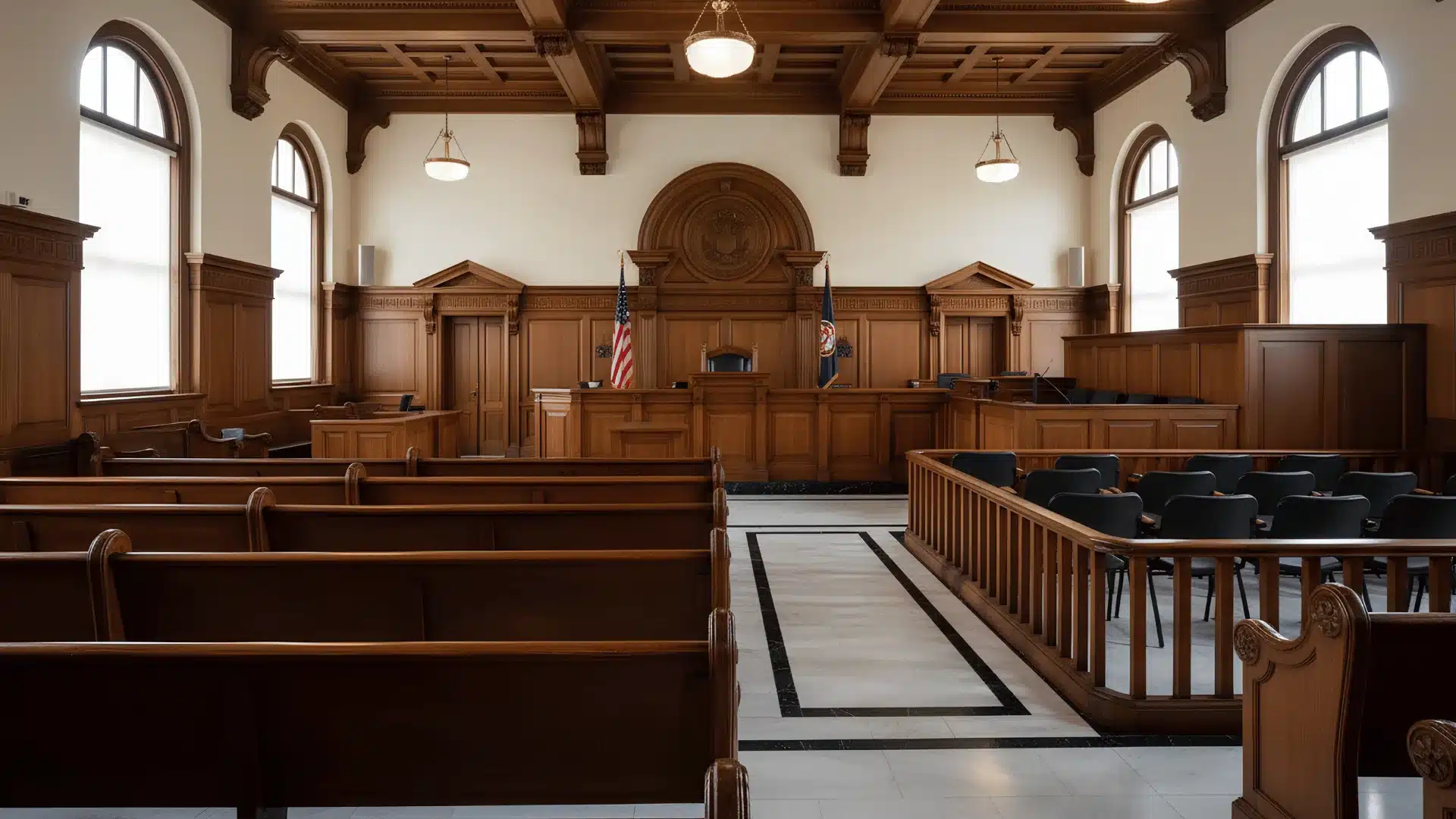
The prosecution carries the burden of proving every element of a crime beyond a reasonable doubt. This standard is the highest in the legal system.
It does not mean absolute certainty, but it means the evidence must be strong enough that a reasonable juror would have no serious doubt about guilt.
When a defense attorney challenges an element, they are not looking for a loophole. They are holding the government to the standard the law requires.
If the prosecution cannot prove actus reus, the defendant did not commit a prohibited act. If it cannot prove mens rea, the defendant may not have had the required intent. A gap in any element means the government has not met its burden.
Understanding what probable cause is? is a separate but related legal standard that applies earlier in the process, before charges are even filed. Evidence that clears probable cause is not the same as evidence that proves guilt beyond a reasonable doubt.
Affirmative Defenses and the Elements of a Crime
An affirmative defense does not dispute the elements the prosecution has proven. It introduces additional facts that legally excuse or justify the conduct.
Self-defense is the most common example. A defendant raising self-defense may concede that they committed the act but argue that the circumstances removed criminal liability.
Other affirmative defenses include insanity, duress, and entrapment. Each has its own legal requirements and standard of proof.
In Nevada, the defendant may bear the burden of proving certain affirmative defenses by a preponderance of the evidence, although this can vary depending on the specific defense and statute.
The difference between challenging an element and raising a defense is worth understanding. Challenging an element says the government did not meet its burden.
An affirmative defense says even if it did, there is a legal reason the defendant should not be convicted. These are distinct legal strategies with different implications for how a case is tried.
When to Consult an Attorney for Criminal Charges?
When facing criminal charges, a Nevada defense attorney begins by examining the elements of the crime. A charge is only as strong as the evidence behind each required component.
Attorneys examine whether the prosecution can realistically prove every element and develop a strategy to address any weaknesses.
Understanding a charge like third-degree murder requires knowing exactly which elements define it and how it differs from other offenses.
A defense attorney looks closely at those distinctions and evaluates whether the prosecution’s case can hold up under scrutiny.
In Las Vegas and across Clark County, charges can move quickly. The sooner you have an attorney reviewing the elements of your specific charge, the more options you have.
Conclusion
Criminal charges can have lasting consequences. A Nevada defense attorney can identify gaps in the prosecution’s case and determine whether all required elements have been properly established.
Early legal guidance often creates more opportunities to build a strong defense. The difference between understanding the law in general and understanding how it applies to a specific situation in Las Vegas, Henderson, or anywhere in Nevada is significant.
Courts rely on specific facts, and outcomes depend on how those facts align with legal standards.
Nevada’s statutes define the elements for each charge, and a qualified attorney who knows those statutes and the local courts gives you the clearest picture of where your case stands.
Each case ultimately depends on whether every required element can be clearly proven under Nevada law.
Have questions about how Nevada criminal charges may apply to your situation? Share your concerns or speak with a Nevada defense attorney to better understand your rights, possible defenses, and the next steps available in your case.
Frequently Asked Questions
Can Someone Be Convicted if One Element is Missing?
No, the prosecution must prove each element beyond a reasonable doubt. If a single element cannot be established, a conviction is not legally supportable, and the charges should not result in a guilty verdict.
Are All Crimes Required to Have a Mental State Element?
No, strict liability offenses do not require proof of mental state. These include many traffic violations and regulatory offenses. However, serious felonies generally require proof of intent or knowledge.
Can a Person Be Charged Even if The Crime Was Not Completed?
Yes, incomplete crimes, such as attempts, conspiracies, or solicitations, can still result in charges if there is clear intent and a substantial step toward committing the offense.
How Does Nevada Law Define the Elements for Specific Crimes?
The Nevada Revised Statutes define the required elements for each offense. For serious charges such as assault or homicide, prosecutors must meet the definitions set out in those statutes. An attorney familiar with Nevada courts can explain exactly what applies to a specific charge.





