

How long does a felony stay on your record? For most people, the record itself never fully disappears, and it can keep affecting jobs, housing, licenses, and other opportunities for years after a sentence ends.
I know the different timelines can feel confusing, especially when seven years is often mentioned as if it applies to every record.
The truth depends on where the conviction occurred, how the case ended, and whether any record-clearing option is available.
Here, I’ll explain how long a felony remains, what affects its visibility, and which steps can help you check your options.
Disclaimer: This information is for general educational purposes and is not legal advice. Record-clearing laws vary by jurisdiction, so consult a qualified attorney about your case.
Does a Felony Ever Disappear from Your Record on Its Own?
A felony conviction becomes a permanent court record the moment a judge enters it. No law makes it disappear after a set number of years, and no state or federal system has a built-in expiration date for adult felony records.
Many people assume the “7-year rule” clears a record on its own. It does not. That rule comes from the Fair Credit Reporting Act, and it only limits what background check companies can report to employers and landlords.
The conviction still exists in court databases. It just becomes harder for certain businesses to surface it after seven years. Turning 18 does not help either. Adult felony convictions stay on the adult record regardless of age.
Juvenile cases follow a separate legal track with different rules, and those records are not part of this discussion. Without a formal legal process, a felony conviction stays visible indefinitely. Nothing about time, age, or a calendar date changes that on its own.
Why a Felony Does Not Disappear After Seven Years
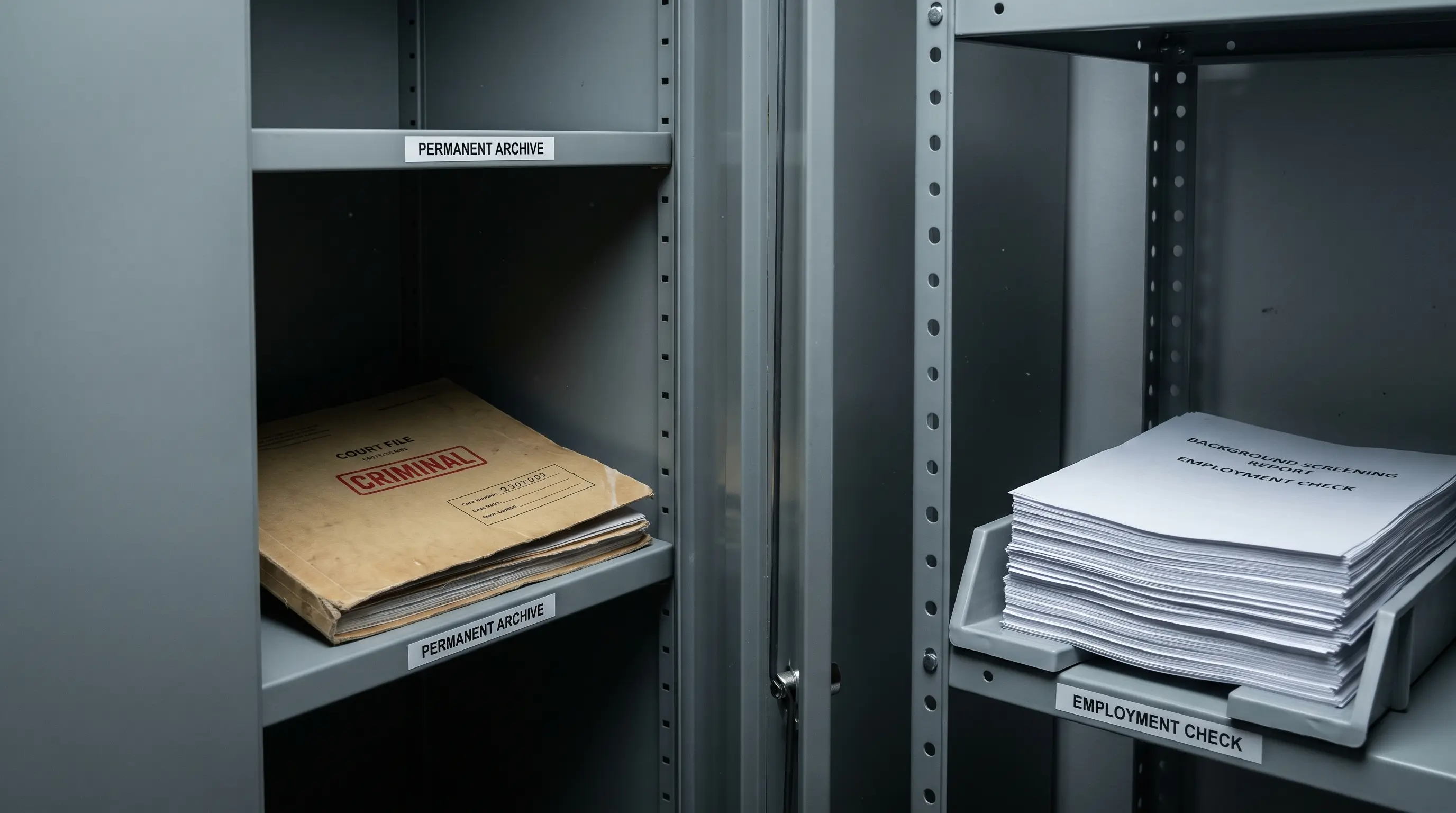
The seven-year rule usually concerns certain background report information. It does not create an expiration date for felony convictions.
- Different timelines: Consumer reporting limits and official record retention follow separate rules. A reporting restriction does not delete the court file.
- Convictions remain reportable: Federal law places no general time limit on reporting criminal convictions. State laws may impose additional restrictions.
- Non-conviction information differs: Arrests and some other adverse information generally face a seven-year federal limit. Different rules apply when an arrest led to conviction.
- Official files remain: Courts and criminal justice agencies maintain their own records. Private background reports do not control those government files.
- Access can vary: A sealed record may disappear from ordinary public searches. Courts and authorized agencies may still retain access.
- Reports must be accurate: Screening companies must use reasonable procedures to maintain accuracy. They should also report current case outcomes.
The Consumer Financial Protection Bureau confirms that federal law sets no general reporting limit for criminal convictions. Therefore, an older felony may still appear after seven years. Any protection usually comes from state law or formal record relief.
Impact of Felonies on Employment and Personal Life

A felony can affect everyday opportunities long after jail, probation, or parole ends. Employers may review the offense, when it occurred, and its relevance to the position.
Some state and local fair-chance laws limit when employers can ask about criminal history or how they may use it during hiring.
A conviction can also make it harder to secure rental housing or obtain a professional license. Depending on the offense and jurisdiction, it may affect education, loans, firearm rights, voting rights, travel, and immigration status.
Sealing, expungement, a set-aside, or another remedy may reduce some of these barriers, although certain agencies may retain access to the record.
Understanding these consequences can help you determine which records to check and whether legal relief could improve your options.
What Actually Determines Whether a Felony Can Be Cleared?
No single factor decides whether a felony qualifies for relief. Courts usually examine the conviction and several related details. The following factors commonly control eligibility:
- Jurisdiction: The law where the conviction occurred usually controls which forms of relief are available. Moving elsewhere does not transfer the case to another state’s rules.
- Court system: State and federal convictions follow separate record-clearing processes. A state court cannot seal or expunge a conviction entered by a federal court.
- Final disposition: Eligibility depends on whether the case ended in conviction, dismissal, diversion, or deferred judgment. Each outcome may receive different treatment under local law.
- Offense type: Some states exclude violent, sexual, weapons, corruption, or child-related felonies. The exact statute and felony classification usually determine whether relief remains possible.
- Sentence completion: Many laws require completion of custody, probation, parole, restitution, and other court conditions. Unpaid fines or unfinished requirements may delay eligibility.
- Waiting period: Some remedies require several years without another conviction before filing. The event that begins this period differs by law and jurisdiction.
- Criminal history: Later arrests or convictions may delay eligibility or restart the required waiting period. Multiple convictions can also limit the available forms of relief.
A person must meet every applicable requirement. Similar convictions can receive different results because state laws differ.
Offense Type as the First Eligibility Filter
Most states sort felonies into tiers, and the tier determines what happens next. Non-violent offenses like drug possession or low-level theft often qualify for expungement or sealing after a waiting period.
Violent felonies, sexual offenses, and crimes against children rarely qualify at all. Lawmakers treat these categories as carrying an ongoing public safety interest that outweighs an individual’s interest in a clean record.
This exclusion is written directly into state statutes. It does not depend on behavior after release, rehabilitation, or the number of years since conviction. A person convicted of a disqualifying offense faces the same bar in year one and year thirty.
State Laws and Eligibility Rules
State legislatures define which state convictions qualify for sealing, expungement, or set-aside relief. Their definitions and procedures differ considerably.
In one state, expungement may restrict public access. In another, the same word may describe a broader form of relief. The state where the conviction occurred generally controls the process. Your current residence usually does not change that law.
Sentence Completion and Waiting Periods
Many record-clearing laws require the entire sentence to be completed first. This can include probation, parole, restitution, and court-ordered payments.
The waiting period may start after conviction, release, or sentence completion. Filing too early can result in denial or dismissal. Do not estimate these dates from memory. Use the final disposition, release records, and proof that every requirement was completed.
Why Federal Felonies Follow Different Rules
Federal convictions fall outside state record-clearing systems. State courts and legislatures have no authority to alter federal court records. Federal law does not provide a broad expungement process for adult felony convictions.
Courts may grant relief only in limited circumstances. A presidential pardon can provide official forgiveness and may reduce certain consequences. However, it does not erase the conviction. The U.S. Department of Justice explains that both the conviction and pardon remain on the criminal record.
Felonies That May Not Qualify

Some states exclude serious offenses from sealing or expungement. Eligibility depends on the exact offense and the law where the conviction occurred.
| Felony category | Why relief may be restricted |
|---|---|
| Violent felonies | States may limit relief because the offense involved physical harm or threatened violence. |
| Sexual offenses | Many sexual convictions face strict exclusions, especially when registration is required. |
| Crimes involving children | Offenses involving minors often have narrower sealing or expungement options. |
| Serious weapons offenses | Certain firearm and weapons convictions may remain ineligible under state law. |
| Repeat felony convictions | Multiple convictions can extend waiting periods or prevent relief entirely. |
| Registration-related offenses | Offenses requiring continued registration often remain outside record-clearing laws. |
| Public corruption crimes | Some states restrict relief for serious offenses involving public trust or government duties. |
The exact statute matters because similar offense names can receive different treatment. An excluded felony may still qualify for another remedy, such as a pardon.
How Can a Felony Record Become Less Visible?
Record relief does not have the same meaning everywhere. Each option changes access differently, and its effect depends on the law governing the conviction.
Expungement

Expungement may remove, destroy, or restrict access to an eligible criminal record. Its exact meaning and effect differ between states.
Some government agencies may retain access even after expungement. It should not be treated as guaranteed removal from every public and private database.
Record Sealing

Record sealing usually hides the case from ordinary public searches. Many private employers and landlords may no longer see it through standard background checks.
Courts, law enforcement agencies, licensing boards, and certain government employers may retain access. The record still exists even though public access is restricted.
Conviction Set-Aside
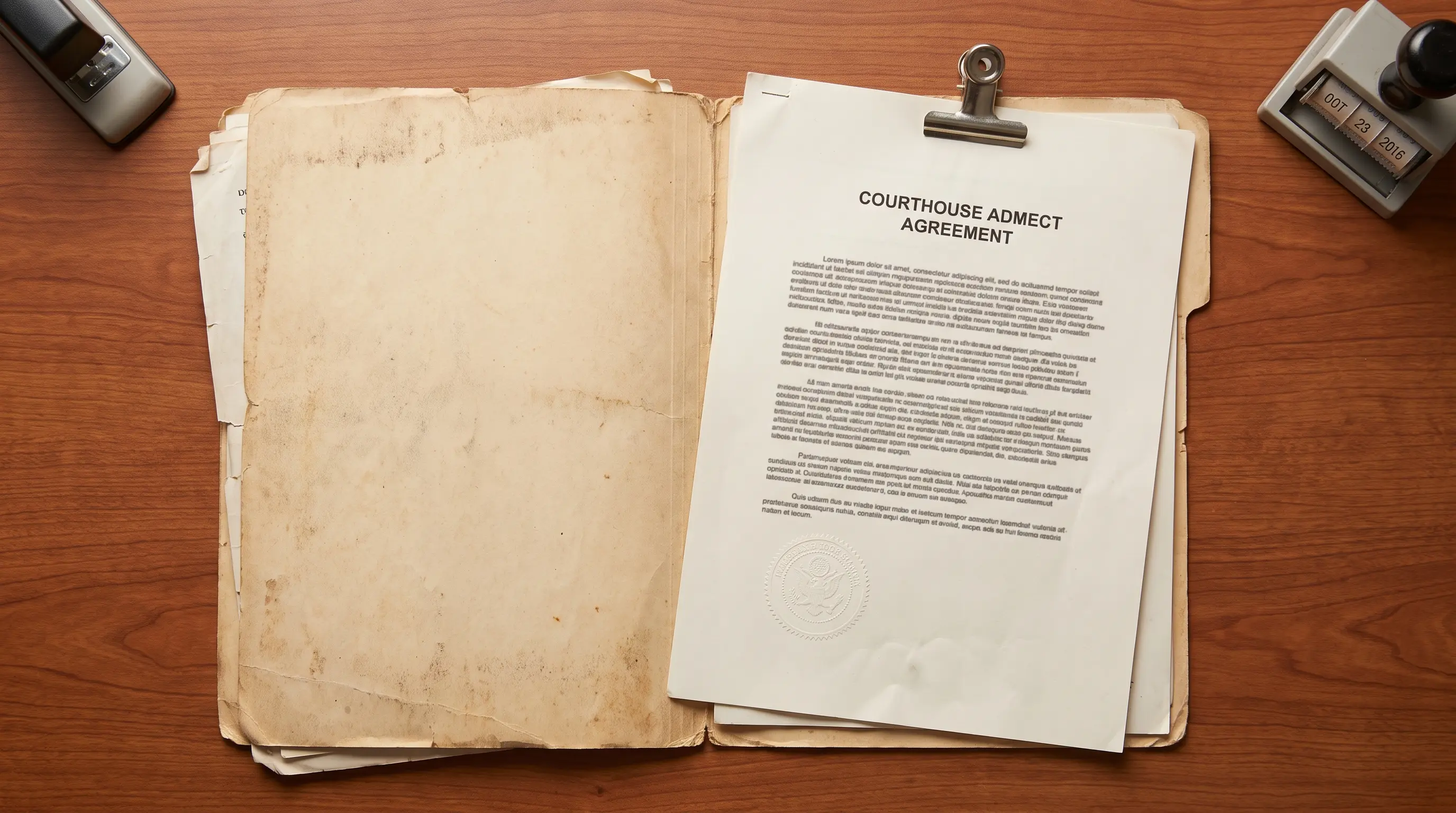
A set-aside changes the legal status of a conviction after required conditions are completed. It may reduce some barriers connected with the original judgment.
The court record may still show the conviction and later set-aside order. Its effect on employment, housing, and licensing depends on state law.
Pardon
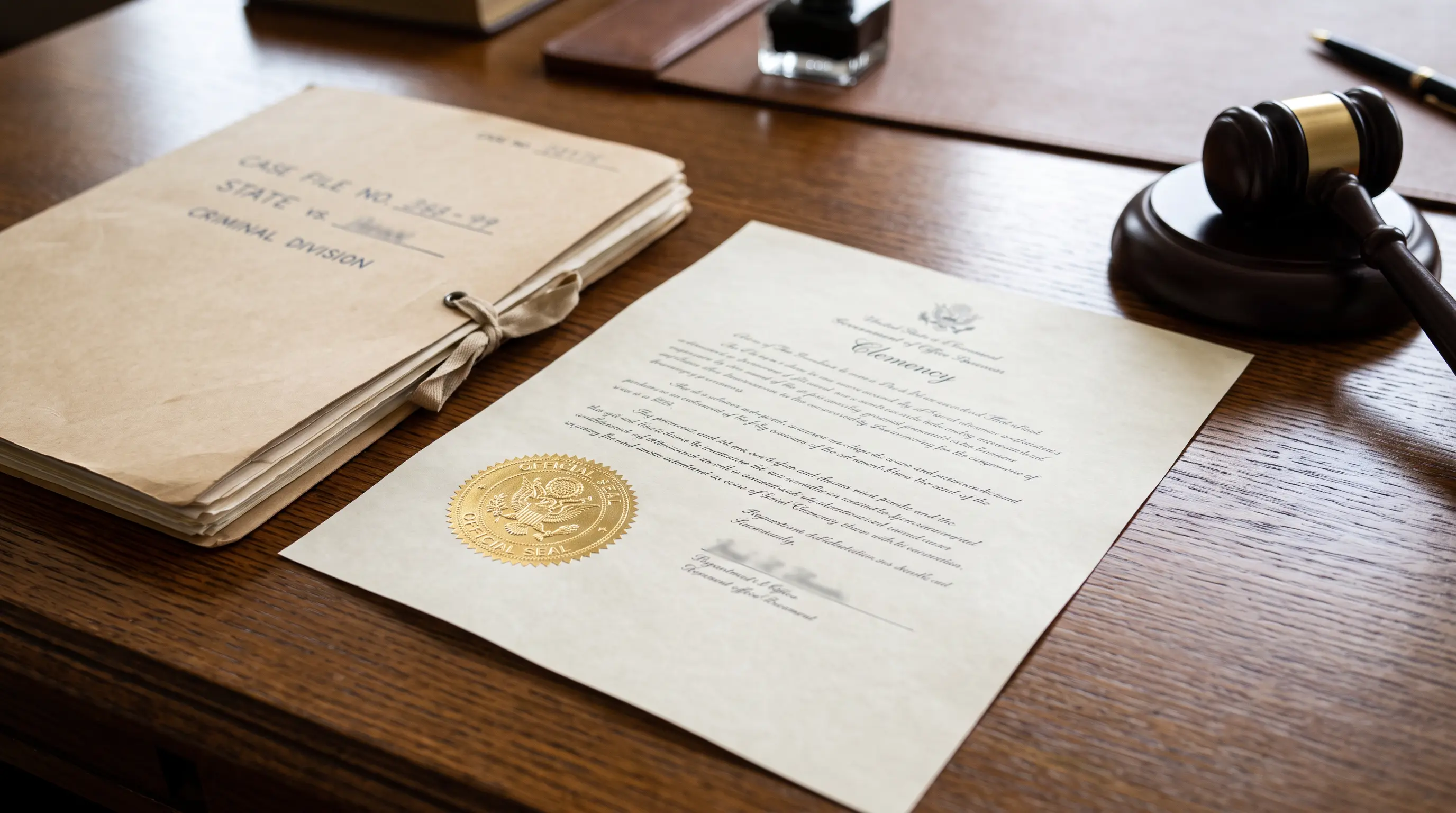
A pardon provides official forgiveness through executive authority. It may restore certain rights or reduce some legal consequences of the conviction.
A pardon usually does not erase the case or declare the person innocent. Federal pardon applications go through the U.S. Department of Justice’s Office of the Pardon Attorney.
Automatic Record Clearance
Automatic clearance seals eligible records without requiring an individual petition. Some states provide this relief through clean-slate laws after a required period.
Eligibility may depend on the offense, sentence completion, time passed, and later criminal history. Records outside the law’s covered categories do not qualify automatically.
States such as California, Michigan, and Pennsylvania have passed “clean slate” laws that trigger this kind of automatic review, though the required waiting period without a new conviction often runs several years before a record becomes eligible.
Each option offers a different level of relief. Check the law where the conviction occurred before assuming a record has been removed or hidden.
How to Check Whether Your Felony Qualifies
Checking eligibility becomes easier when you follow the records in the right order. Start with the court file, then compare it with current local laws.
- Get the Final Court Disposition: Request the final disposition from the court that handled your case. Confirm the statute, final charge, conviction date, sentence, and outcome.
- Confirm When Your Sentence Ended: Find the date you completed jail, probation, or parole. Include restitution, fines, and any other court-ordered requirements.
- Identify the Correct Jurisdiction: Check whether the conviction came from a state or federal court. The jurisdiction where the case occurred controls the available relief.
- Review the Exact Offense: Compare the statute of conviction with current eligibility rules. Similar offense names may receive different treatment under the same law.
- Calculate the Waiting Period: Confirm which event starts the required waiting period. Later arrests or convictions may delay eligibility or restart the clock.
- Request Your Criminal History: Order an Identity History Summary from the FBI when federal records need checking. You can also challenge information that appears incomplete or inaccurate.
- Get Reliable Legal Guidance: Use court self-help centers, legal-aid organizations, or licensed attorneys. Avoid private companies that promise guaranteed removal without reviewing the official case.
Following these checks can help you identify available relief and avoid applying before your conviction meets the legal requirements.
What Happens After a Record Is Cleared?
A cleared record may not disappear from every database immediately. Courts, law enforcement, licensing boards, immigration authorities, government employers, and firearm agencies may retain access.
Keep a certified court order to dispute outdated background reports. Disclosure rules depend on the application, jurisdiction, and relief granted.
Employers using consumer reports must generally provide the report and notice before taking adverse action.
Conclusion
So, how long does a felony stay on your record? In most cases, it stays indefinitely, and finishing your sentence does not make it expire or disappear after seven years.
As I covered above, sealing, expungement, set-aside relief, pardons, and automatic clearance may change what others can see.
I recommend starting with your final court disposition and sentence completion date. These details will help you find the correct rules for your case.
Check your official record today, then contact the court, a legal-aid group, or a qualified attorney if you may be eligible for relief.
Frequently Asked Questions
Does a Felony Conviction Stay on Your Record Forever?
A felony generally remains on the official criminal record indefinitely. It may become sealed, expunged, set aside, pardoned, or automatically cleared when local law permits. Authorized agencies may retain access after relief.
Can Employers See a Felony After Seven Years?
They may be able to see it. Federal law generally allows criminal convictions to appear beyond seven years. State and local laws may restrict how employers or screening companies use older records.
When does the Waiting Period for Expungement Begin?
The starting date depends on local law. It may begin after conviction, release from custody, probation, parole, or completion of every sentence requirement, including restitution and court-ordered payments.
Can a Federal Felony be Expunged?
Federal felony convictions generally cannot be expunged through a broad nationwide process. Narrow exceptions may apply in limited cases. A presidential pardon may provide relief, but it usually does not erase the record.