
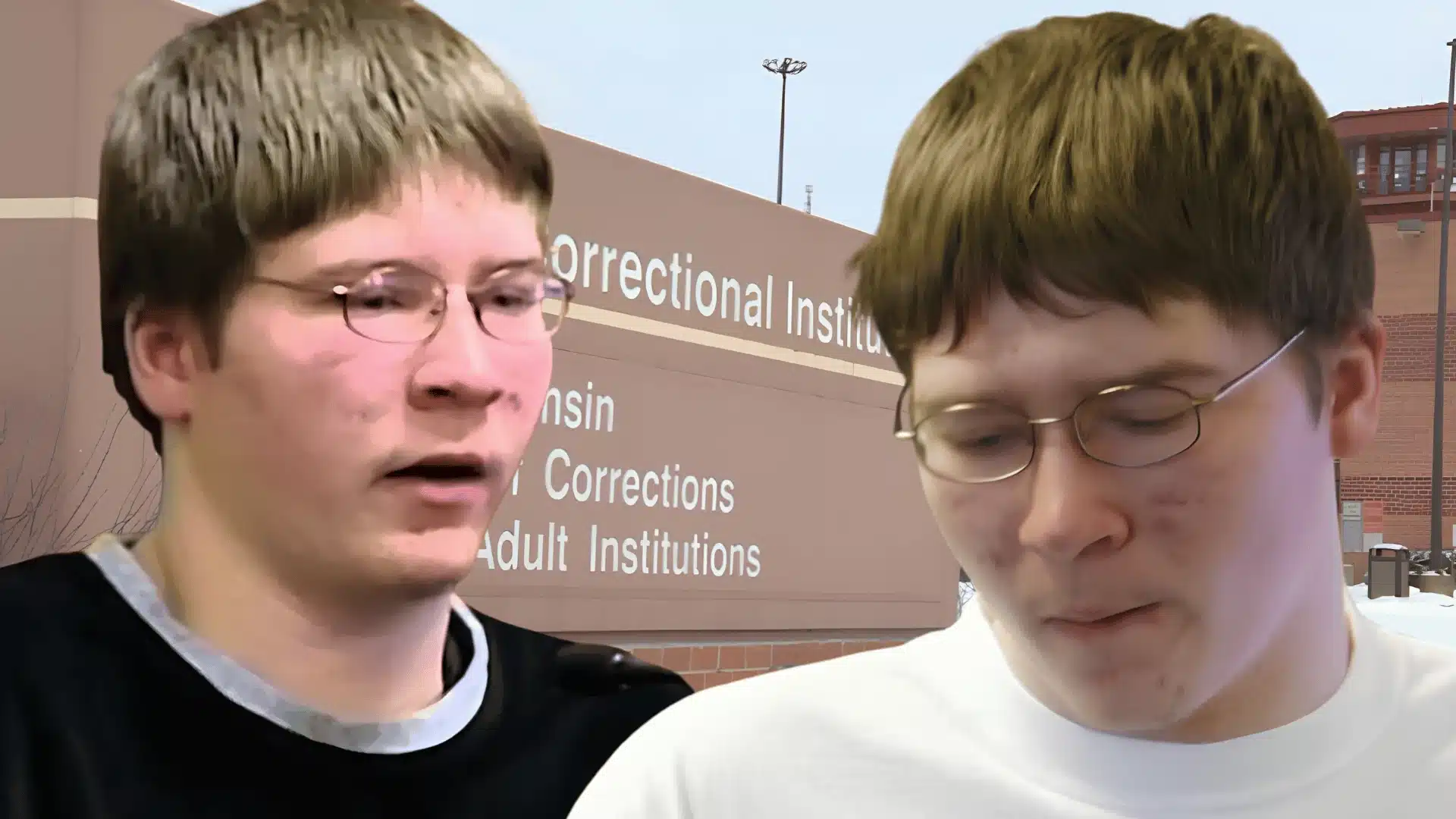
A teenager’s confession changed the course of one of America’s most debated criminal cases, but the questions surrounding Brendan Dassey never truly disappeared.
Years after Making a Murderer brought global attention to his conviction, many people still want answers about what happened to him and whether justice was ever fully served.
If you are wondering where Brendan Dassey is now, the story goes far beyond a simple prison update.
His case sparked national debate over juvenile interrogations, false confessions, and the treatment of vulnerable defendants within the legal system.
Understanding where he is today also means understanding the legal battles, public controversy, and lasting impact his case continues to have across the United States.
Who is Brendan Dassey?
Brendan Ray Dassey was born on October 19, 1989, in Manitowoc County, Wisconsin. He grew up near his uncle, Steven Avery, whose earlier wrongful conviction had already brought attention to the Avery family.
Dassey was 16 years old when investigators connected him to the 2005 disappearance and murder of Teresa Halbach, a photographer who visited the Avery Auto Salvage property on October 31, 2005.
School records later showed Dassey had significant language-based learning disabilities and below-average verbal comprehension skills.
His case became widely known through Making a Murderer, which focused heavily on his police interrogations and the controversy surrounding his confession.
Why was Brendan Dassey Convicted?
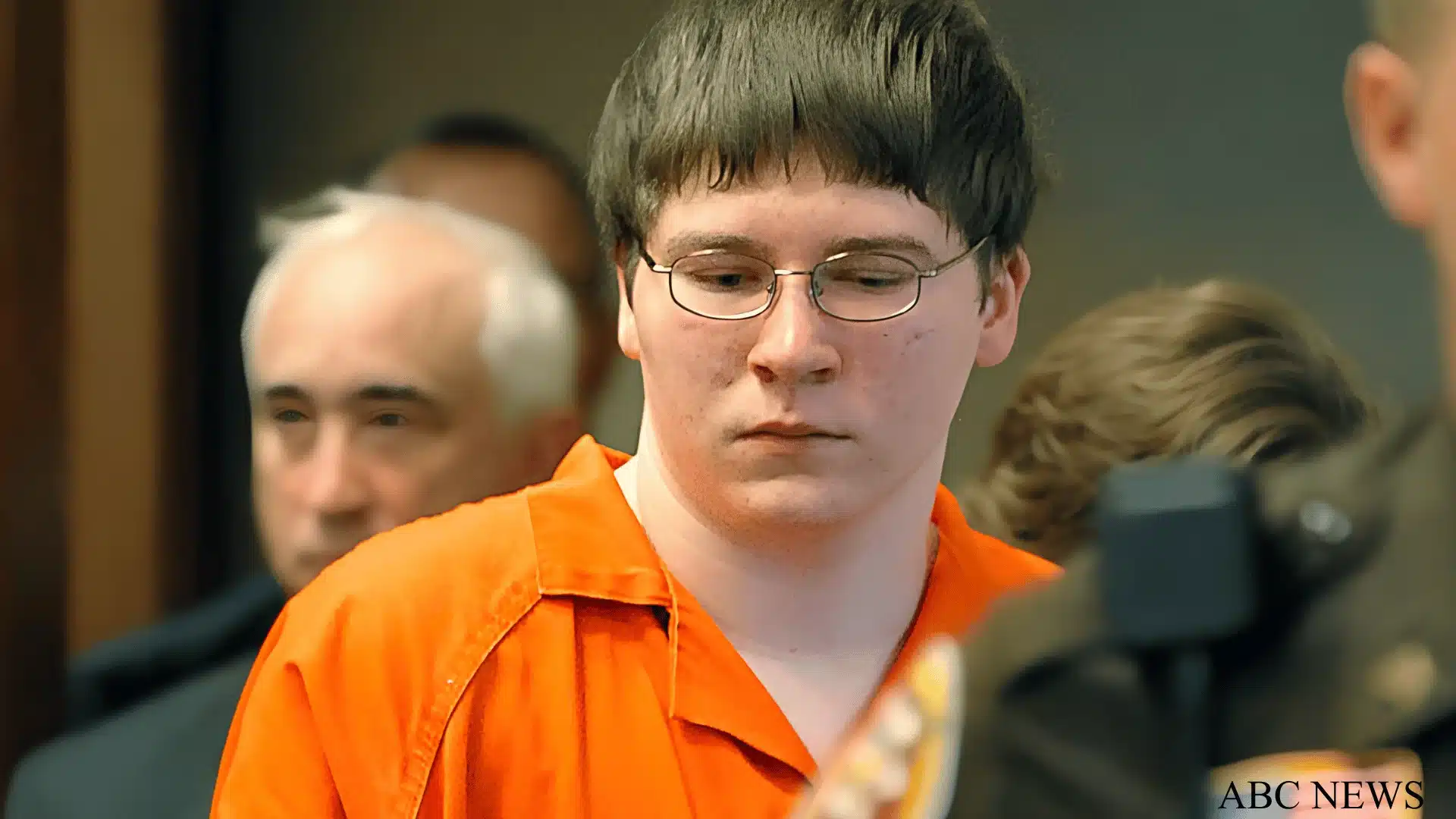
Brendan Dassey was convicted in 2007 for first-degree intentional homicide, second-degree sexual assault, and mutilation of a corpse in connection with Teresa Halbach’s murder.
He was arrested in March 2006 after several police interrogations conducted while he was still a teenager. Prosecutors claimed he helped Steven Avery commit the crimes on the Avery Salvage Yard property.
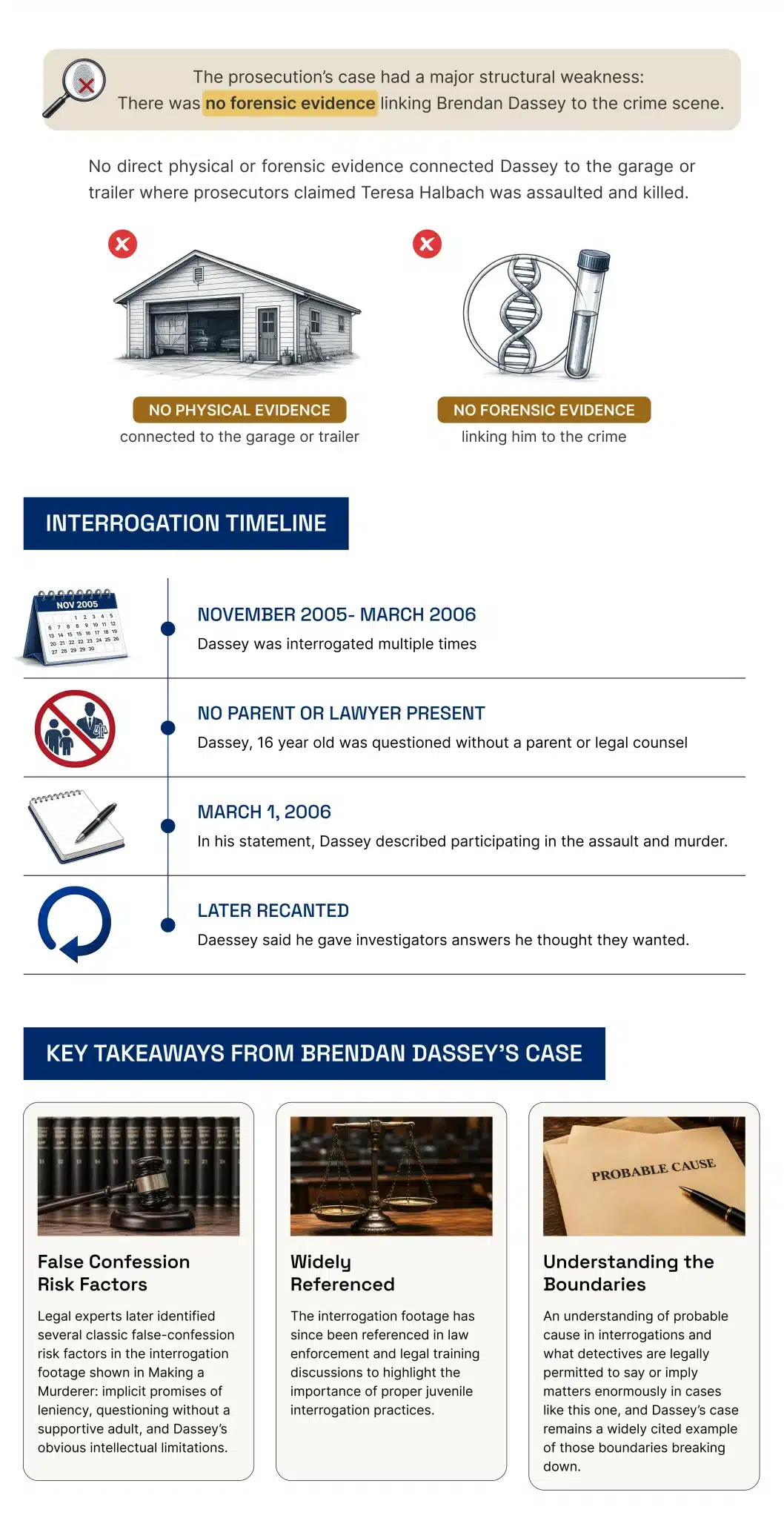
No forensic evidence directly linked Dassey to the crime scene. His conviction depended mainly on a videotaped confession that later sparked national debate over false confessions and police questioning methods involving minors.
Dassey received a life sentence on August 2, 2007, with parole eligibility beginning in 2048.
Brendan Dassey’s Confession and Interrogation Controversy
The Role of Dassey’s Defense Attorney
Dassey’s legal representation before trial compounded the problems with his interrogation.
His initial attorney, Len Kachinsky, allowed him to be interrogated alone by an investigator named Michael O’Kelly in May 2006, after a polygraph test O’Kelly claimed showed deception.
O’Kelly pressured Dassey through that session, and a follow-up interrogation the next day produced a confession that shifted Dassey’s account to include a planned murder in Avery’s garage.
Many advocates and legal scholars argue that Kachinsky’s conduct, permitting interrogations without being present and apparently without adequately protecting his client’s interests, was a critical failure that shaped everything that followed.
Dassey’s replacement counsel did what they could, but the damage to his case was largely done before trial began.
Brendan Dassey Appeals and Supreme Court Timeline
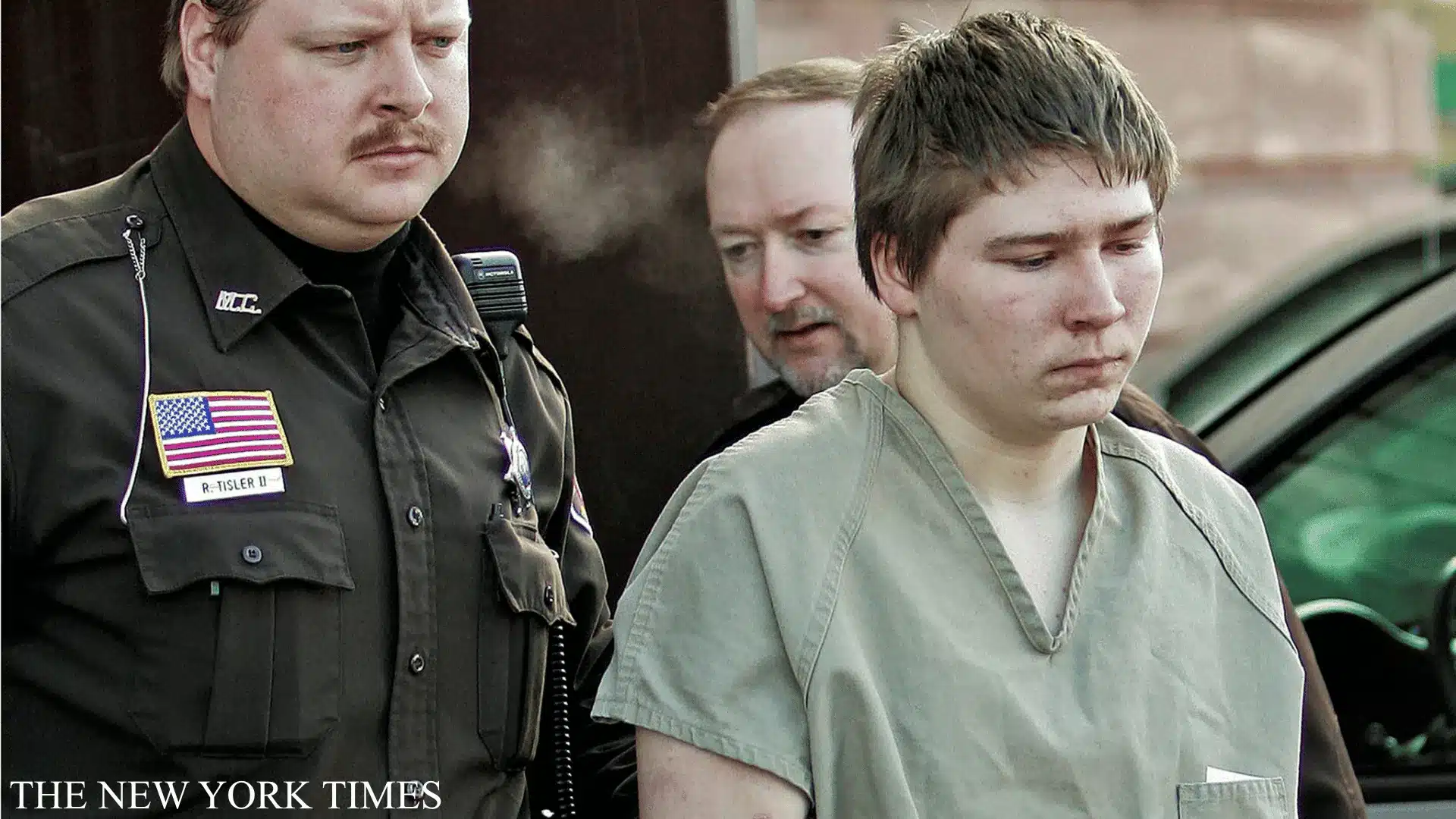
Brendan Dassey’s post-conviction journey involved multiple federal appeals centered on the voluntariness of his confession, ultimately reaching the U.S. Supreme Court before shifting to clemency efforts.
- Conviction and Initial Appeals (2007–2015): Dassey was convicted in 2007 and sentenced to life with parole eligibility in 2048. After state appeals failed, his case was taken up by Northwestern University’s Center on Wrongful Convictions of Youth.
- Federal Habeas Victory (2016): U.S. Magistrate Judge William Duffin ruled Dassey’s confession involuntary and unconstitutional, vacating his conviction and ordering release or retrial. The decision was stayed pending appeal.
- Seventh Circuit Panel Ruling (2017): A three-judge panel upheld Judge Duffin’s ruling in a 2–1 decision, finding the confession coerced.
- En Banc Reversal (2017): The full Seventh Circuit Court voted 4–3 to reinstate Dassey’s conviction, ruling the confession voluntary despite strong dissents.
- U.S. Supreme Court Denial (2018): The U.S. Supreme Court declined to hear Dassey’s case in June 2018, exhausting his federal habeas corpus appeals.
- Clemency Efforts (2019–2022): In 2019, Wisconsin Governor Tony Evers declined to consider commutation. In 2022, Steven Avery’s former attorneys Dean Strang and Jerry Buting publicly urged clemency, but no action was taken.
- Current Status (2026): Brendan Dassey remains incarcerated at Oshkosh Correctional Institution with parole eligibility in 2048. No further successful legal relief has been granted.
Where is Brendan Dassey Now?
Brendan Dassey remains incarcerated at Oshkosh Correctional Institution, a medium-security prison in Oshkosh, Wisconsin.
He was transferred there in April 2019 from the Columbia Correctional Institution due to good behavior.
At Oshkosh, he has greater access to work opportunities, career training programs, and less restrictive housing.
In March 2025, the Brendan Dassey Project shared a message from him expressing gratitude to his supporters.
Now 36 years old, Dassey has spent nearly two decades in prison. With his conventional appeals exhausted, executive clemency represents his most realistic path forward. His parole eligibility date remains 2048.
How Brendan Dassey’s Case Changed Juvenile Interrogation Laws?
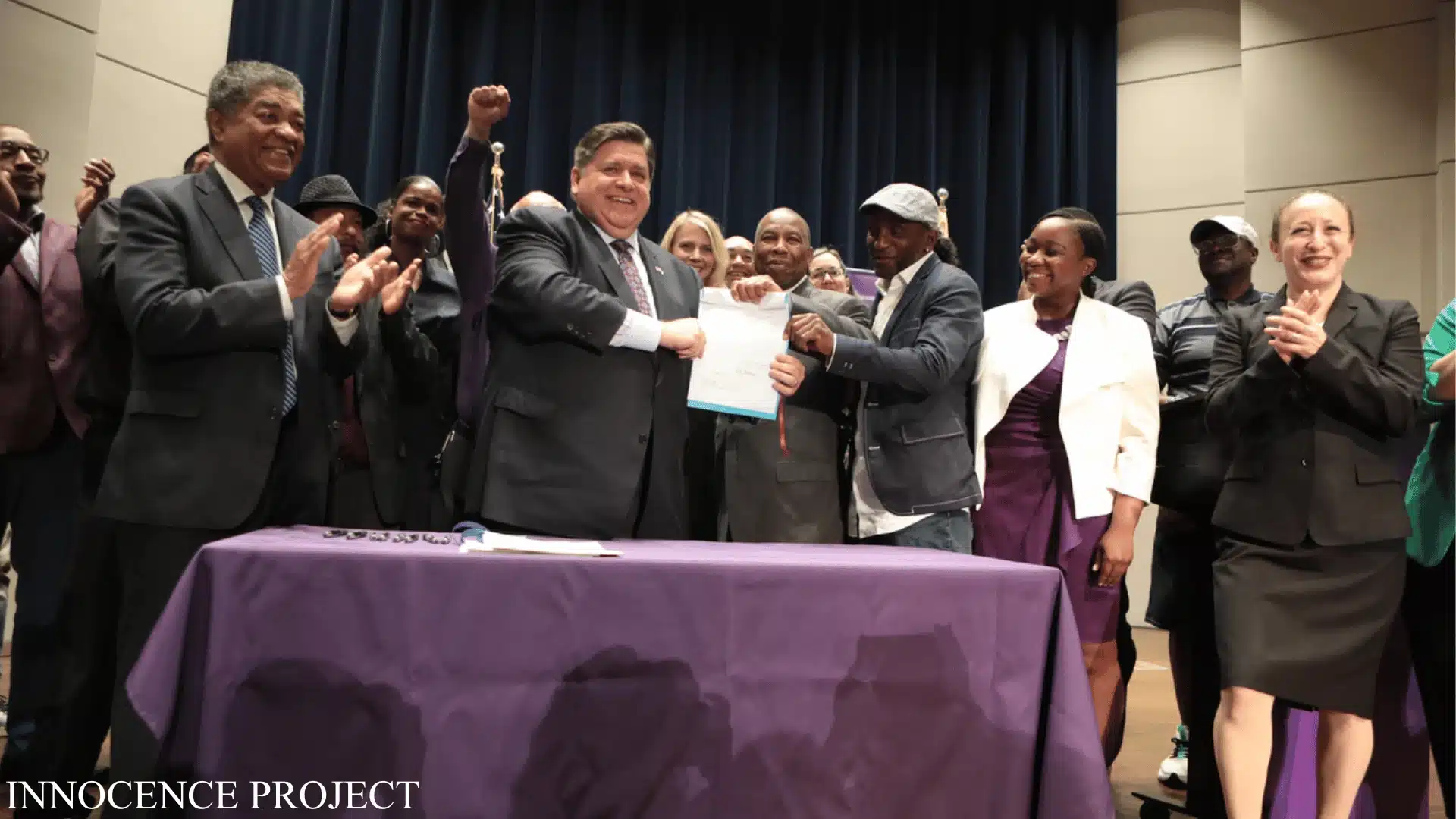
Brendan Dassey’s interrogation has become a major catalyst for reforming how police question minors in the United States.
Key Reforms Triggered by the Case:
- Illinois (2021): First state to ban deceptive tactics (such as lying about evidence or false promises) when interrogating minors. Co-sponsored by Illinois House Minority Leader Jim Durkin, who cited Dassey’s case. Signed by Governor J.B. Pritzker.
- Other States: California, Utah, Delaware, and Oregon have since passed similar laws. At least 10 additional states have considered comparable reforms.
- Training Impact: Dassey’s videotaped interrogation is now used nationwide in police training programs and law school classes as a case study on false confessions and juvenile vulnerabilities.
These changes highlight growing awareness of the risks, though they came too late to benefit Dassey himself.
Conclusion
Brendan Dassey’s case continues to stand as one of the most debated criminal cases in modern American history.
Beyond the courtroom decisions, it raised larger concerns about juvenile interrogations, false confessions, and how the justice system handles vulnerable defendants.
Even after years of appeals, public interest in the case remains strong because many people still question whether the outcome was fair.
His story has also influenced legal reforms in several states, particularly involving police questioning of minors. As discussions around the case continue, many still follow updates about his future and possible clemency efforts.
If you have thoughts about Brendan Dassey’s case or the legal system surrounding it, leave a comment and join the discussion.
Frequently Asked Questions
Why Do People Believe Brendan Dassey Gave a False Confession?
Many legal experts believe Brendan Dassey’s confession may have been false because of his age, intellectual limitations, and the interrogation methods used by investigators.
Did Making a Murderer Affect Brendan Dassey’s Case?
The Netflix documentary brought international attention to Brendan Dassey’s interrogation and appeals process, leading to renewed public debate about juvenile confessions and criminal justice reform.
Why is Brendan Dassey’s Case Still Controversial?
The case remains controversial because his conviction relied heavily on a confession despite the lack of direct physical evidence tying him to the crime.





