
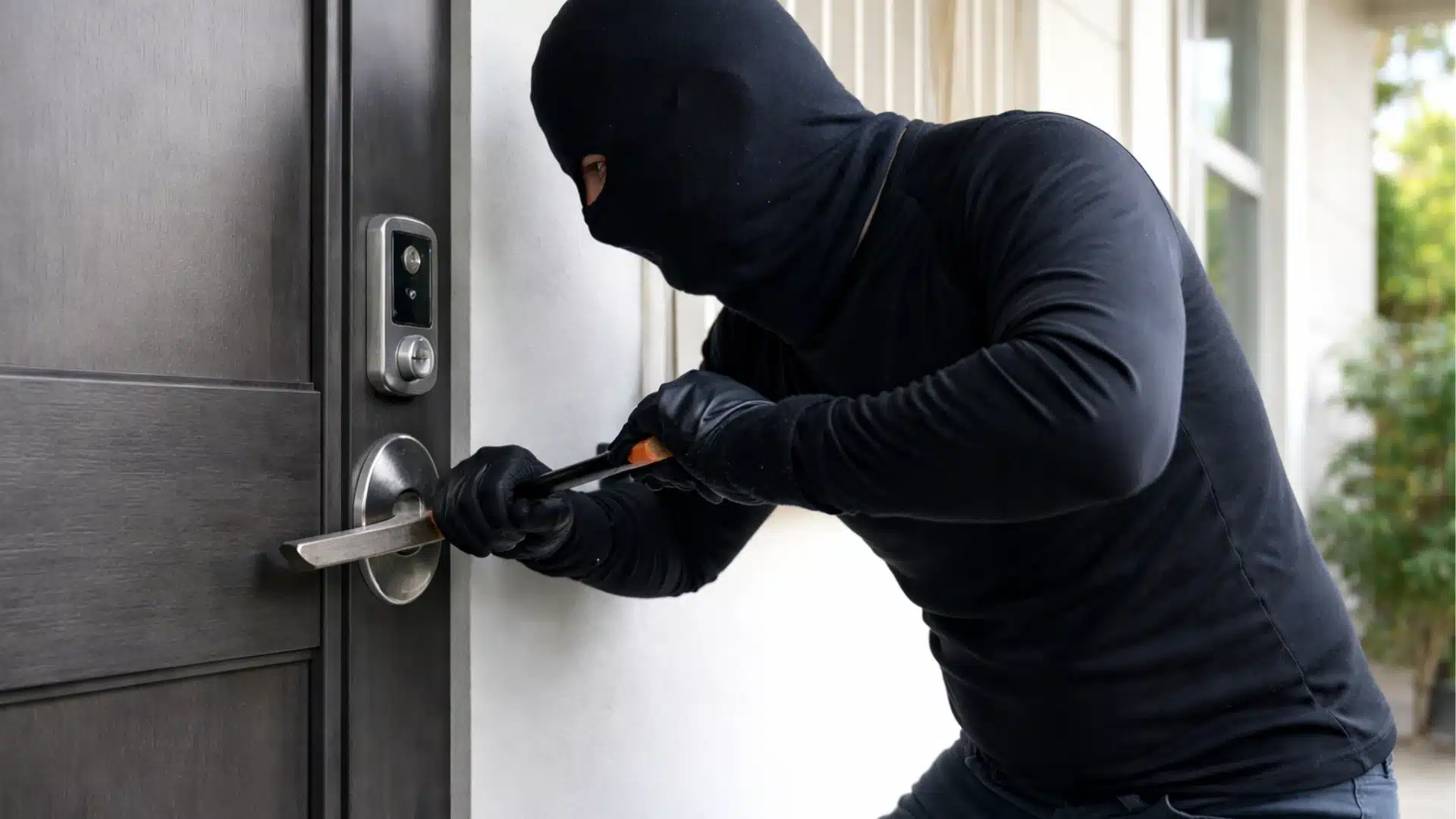
Property crime affects millions of people. You might think it will not happen to you, but it often does. It shows up quietly, sometimes without any clear sign at first.
A scratched car in a parking lot, a missing package at your door, or a broken shop window nearby. These moments feel small, but they add up quickly.
Reports show a drop in property crime, which sounds positive at first. But there is more to it. Only about 30% of incidents are reported, which means most cases never appear in official records.
This gap can create problems later. When something goes unreported, it becomes harder to claim losses or prove what happened. Even a small issue can turn serious over time.
Understanding property crime helps you stay aware. You can spot risks early, avoid common mistakes, and protect what matters more effectively.
What is Property Crime?

Property crime is the illegal taking, damaging, or destruction of someone else’s property without their permission.
The focus remains on belongings, homes, vehicles, or businesses. In simple terms, it means something is taken or damaged without consent.
If someone hits you, that is a crime against a person. But if someone breaks into your car and steals your wallet, that’s a property crime.
The attention stays on what was taken or damaged, not the person. Not every loss counts. Accidents do not fall into this category; what matters is intent.
The act usually involves a clear decision to steal, damage, or obtain something unlawfully. There is one important detail to understand.
Robbery is often confused with this category. It involves taking property, but it also includes force or threat. Because of that, it is treated as a violent offense rather the as other property-related acts.
Types of Property Crime You Should Know
This is where things get clearer. Property crime is not just one thing. It appears in different forms, and each works a bit differently in real life.
- Theft (Larceny): This is the most common type and often goes unnoticed at first. It means taking something without permission and with no intention of returning it. This can include stealing a phone, picking up someone’s wallet, or taking items from a bag or store shelf. There is no force involved, which distinguishes it from more serious offenses.
- Burglary: Burglary involves entering a building, home, or any enclosed space without permission, usually with the intent to commit a crime inside. Even if nothing is stolen, the act of entering unlawfully is enough. For example, breaking into a house at night or forcing entry into a closed shop both fall under this category. The distinction between burglary and robbery matters significantly when charges are filed, because the presence of force shifts the entire legal classification.
- Motor Vehicle Theft: This type focuses on the theft of vehicles, such as cars, bikes, or trucks. It is important to note the difference here. If someone steals parts like mirrors or a catalytic converter, it is treated as theft. But if the entire vehicle is taken without permission, it becomes motor vehicle theft, which is handled differently under the law and in insurance terms.
- Vandalism: Vandalism involves damage rather than theft. It includes actions such as breaking windows, spray-painting walls, or scratching someone’s car. The goal is not to take anything but to destroy or deface property. While it may seem minor in some cases, repeated damage can lead to serious costs and impact communities over time.
- Shoplifting: Shoplifting is a specific type of theft that happens in retail spaces. It includes hiding items in a bag, removing price tags, or simply walking out without paying. Even small acts like this can add up and create major losses for businesses. Over time, these losses often lead to higher prices for customers and stricter store policies.
- Arson: One of the most serious forms of property crime. It involves intentionally setting fire to property such as buildings, vehicles, or land. Fires can spread quickly and cause damage beyond the original target. Because of the risks involved, this type of crime carries severe legal consequences and is punished with strict penalties.
- Embezzlement: This type is less visible but equally serious. It occurs when someone entrusted with money or assets misuses them for personal gain. This could be an employee handling company funds or someone managing accounts. There is no forced entry or visible damage, but the financial impact can be large, making it a serious legal issue.
- Trespassing: Trespassing occurs when someone enters or remains on another person’s property without permission, or after being told to leave. While it is often charged as a misdemeanor, context matters significantly. If prosecutors can show that the person entered with the intent to commit another crime inside, such as theft, a trespassing charge can be elevated to burglary, a felony. The distinction hinges on intent.
- Receiving Stolen Property: This charge applies when someone knowingly buys, accepts, or possesses property they have reason to believe was stolen. The person does not need to have committed the original theft. Even accepting a “deal” on a high-value item from an unknown source can lead to this charge if prosecutors can establish the person had reason to know the property wasn’t obtained legitimately.
- Cyber and Digital Property Crimes: Property crime has expanded into the digital space. Identity theft, account fraud, and the theft of digital assets or intellectual property are all treated as property offenses under state and federal law. The method is different, but the legal principle is the same; someone’s property was taken or misused without their consent
Why Do People Commit Property Crime
People do not always commit these acts out of pure intent to harm. In many cases, the reasons are tied to situations, habits, or simple chances that present themselves at the wrong time.
Financial pressure is one of the biggest factors, as people facing money problems may take risks they would normally avoid. Easy opportunities also play a major role.
Many incidents occur because something is left unprotected, such as an unlocked car or a poorly lit area, making the act feel low-risk.
The environment itself can influence behavior, too. Spaces with poor visibility, blocked views, or weak design can make it easier for such acts to happen without being noticed.
Social influence adds another layer, where repeated exposure or peer pressure can slowly shape behavior, especially in places where these acts are more common.
In court, what often emerges is not a picture of calculated criminal planning, but one of poor decisions made quickly under pressure. First-time offenders, in particular, frequently describe situations that spiraled from a single impulsive act, one that carried far steeper consequences than they anticipated.
When charges do follow, understanding what litigation involves early can help defendants and victims alike navigate what comes next.
The Impact of Property Crime on Victims and Communities

Property crime is not just about losing things. The impact goes much deeper and can affect different parts of life in ways people do not always expect.
Financially, the losses can build up quickly. Replacing stolen items, repairing damage, or dealing with claims takes both time and money.
For small businesses, repeated theft or vandalism can become difficult to handle and may even lead to closure over time.
There is also the issue of documentation, which many people overlook. When something is stolen, recovery often depends on proving ownership and the value of the item.
Receipts, photographs, serial numbers, and records are more than just good habits. They help support claims and legal steps.
Keeping these records stored safely, even outside your home, can make a real difference if something goes wrong.
The emotional impact can last much longer than expected. Many people feel uneasy after such incidents. A place that once felt safe may no longer feel the same, leading to stress or a constant sense of alertness.
On a larger level, repeated incidents can change how a neighborhood feels. Damaged spaces make areas look neglected. People may go out less, and businesses may close earlier or leave, slowly affecting the entire community.
How to Prevent Property Crime: Simple Safety Tips

Stay safe by taking simple and practical steps both at home and when you are outside. Small actions like securing your space and staying aware can reduce everyday risks.
- Lock and secure your home: Always lock doors and windows, even during the day. Basic outdoor lighting near entry points helps reduce risk. If you are away, ask a trusted neighbor to check in. Even simple visible deterrents like a door camera can make a difference.
- Keep records of your valuables: Mark high-value items with an identifying number if possible. Maintain a record of serial numbers, receipts, or photos for important belongings. This makes recovery easier and helps support claims if something goes wrong. Reporting incidents early also improves the chances of resolving them.
- Stay alert outside: Be aware of your surroundings when you are out. Avoid leaving valuables visible in your car. Keep your belongings close in crowded places. If something feels off, it is better to move away calmly and stay cautious.
- Protect important documents: Store key documents like property papers, vehicle records, and insurance files in a secure place. A fire-resistant safe fixed in place can help protect them. These items are difficult to replace, and losing them can create long-term issues.
- Build awareness around you: Stay connected with your surroundings. Knowing your neighbors, sharing updates, and reporting unusual activity can help create a safer environment. Collective awareness adds a layer of protection that individual effort alone cannot provide.
Property Crime Penalties: Jail Time and Fines
Property crime is taken more seriously than most people expect, even when it seems minor.
Many people assume, “It’s not a big deal,” but that can lead to bigger problems. The law looks closely at these cases, especially when value and intent are involved.
In places like Florida, property crimes are mainly based on value. If the amount is under $750, it is considered petit theft, a misdemeanor.
Under $100 can mean up to 60 days in jail and a $500 fine, while $100 to $749 can lead to up to one year in jail and a $1,000 fine.
Once the value exceeds $750, it becomes grand theft, a felony.
Penalties rise quickly, from up to 5 years in prison for $750 to $20,000, to as much as 30 years for amounts over $100,000.
Value is not the only factor. The type of property, whether it happened during an emergency, the victim’s age, and prior records can all increase the severity of the charge.
There is also a clear gap between misdemeanors and felonies. A small shoplifting case may stay minor, but crimes like arson or organized theft are treated much more seriously.
Being charged does not always mean a final conviction. Options like diversion programs, deferred sentencing, or plea deals may reduce the impact, especially for first-time offenders.
Acting early and having proper legal support matters.
If You Are Charged with a Property Crime: Common Legal Defenses
Being charged is not the same as being convicted. Property crime cases often hinge on a narrow set of legal elements that prosecutors must prove beyond a reasonable doubt, and several defenses can be raised depending on the facts of the case.
- Lack of intent is one of the most effective defenses in theft and burglary cases. The prosecution must establish that the defendant intended to permanently deprive the owner of their property. If the item was taken by mistake, borrowed with the intention of returning it, or picked up under a genuine belief of ownership, the intent element may not be provable.
- Consent is another defense that often arises in trespassing and property damage cases. If the property owner gave permission, even informally, for the defendant to be on the property or use the item, the charge may not hold.
- The claim of right applies when a defendant genuinely believed the property belonged to them or that they had a legal right to it. This does not require the belief to be correct, only that it was honest.
Evidence challenges are also common. Probable cause is required for a lawful search and seizure.
If law enforcement obtained evidence by searching a person, vehicle, or property without a valid warrant or legal justification, that evidence may be suppressed under the Fourth Amendment, and without it, a case can fall apart entirely.
Conclusion
Understanding property crime helps you see how common and close to everyday life it really is. It is not just about stolen items or damage.
It connects to safety, awareness, and the way people interact with their surroundings. From simple acts like theft to more serious ones like arson, each type carries its own impact and consequences.
Knowing the signs, the causes, and the effects gives you an advantage. You can take small steps to protect your space, keep better records, and stay alert in daily situations.
Even basic habits can reduce risk and prevent bigger problems later.
Property crime may not always involve direct harm, but its effects can last longer than expected, both financially and emotionally.
Have you ever experienced something like this or taken steps to prevent it? Share your thoughts or experiences in the comments below.
Frequently Asked Questions
What Counts as Property Crime in Everyday Life?
Property crime includes any act where someone takes, damages, or misuses something that belongs to someone else. This can range from a missing package to a break-in. If the act is intentional and involves property, it is likely covered by this category.
How Can I Tell if Something is Theft or Just a Misunderstanding?
The key factor is intent. If someone takes something without permission and does not plan to return it, it is considered theft. If it was taken by mistake or returned quickly, it may not be treated the same way under the law. Context always matters.
Why Do Some Property Crimes Go Unnoticed for So Long?
Many incidents are subtle and go unnoticed. A missing item, minor damage, or delayed realization can make it easy to overlook. In some cases, people also choose not to report it, which keeps many incidents out of official records.
What Should I Do Right After Experiencing Property Crime?
The first step is to stay calm and assess the situation. Document what happened with photos or notes. Report it as soon as possible and gather any proof of ownership. Acting quickly improves the chances of recovery and helps with any claims later.